
Unlock the Simple Magic of Bush Tea, Caribbean's Backyard Herbal Brew
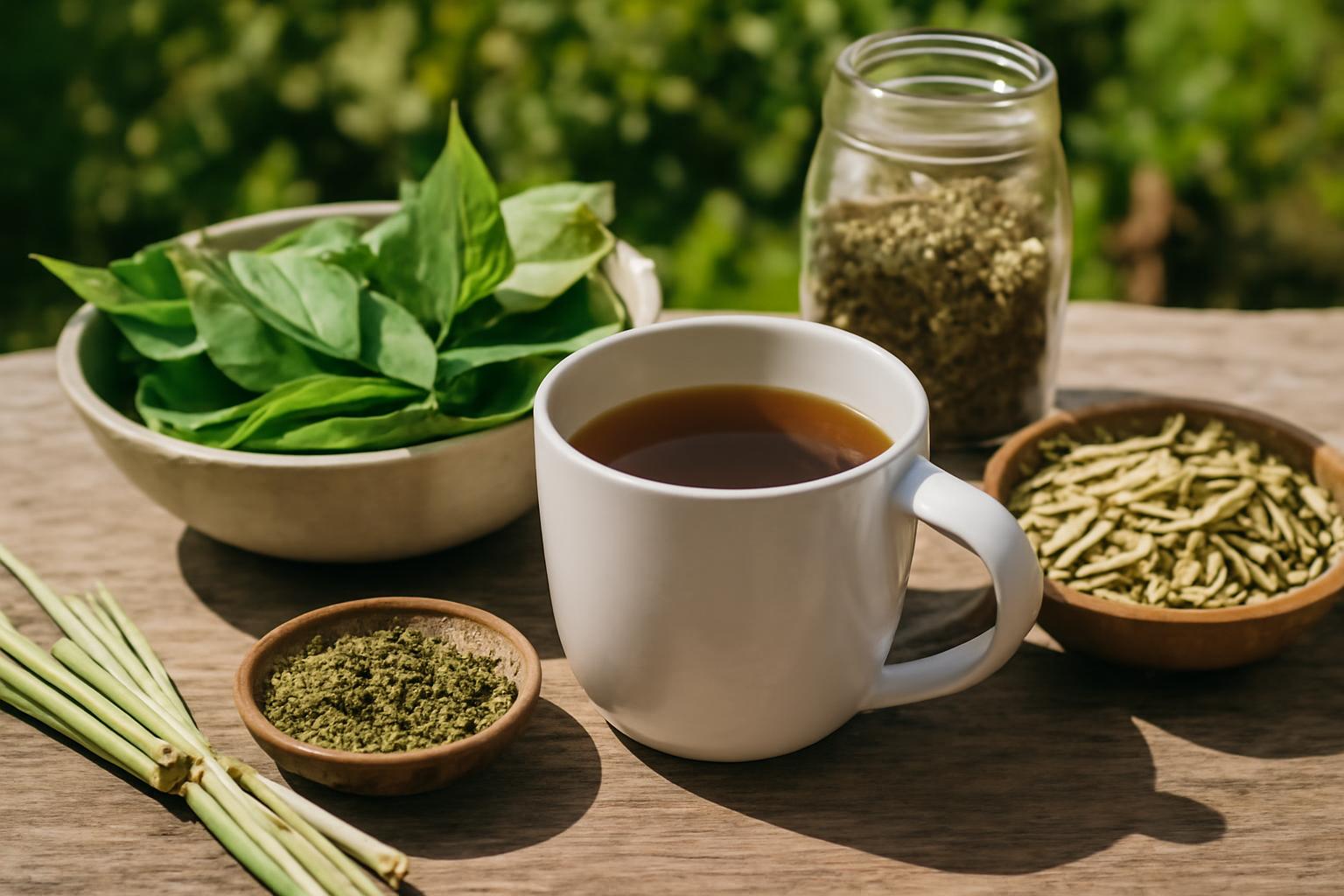
Rooibos is one specific South African plant, while Caribbean bush tea usually means a local herbal blend or broader brewing tradition.
Unlock the simple magic of bush tea, the Caribbean’s backyard herbal brew.
Bush tea is one of those Caribbean traditions that looks almost too simple on first encounter: leaves, hot water, maybe a little sweetener, and a pot on the stove. Sit with it longer, though, and it opens into something much bigger. A single cup can carry family habit, island resourcefulness, backyard plant knowledge, and a very local idea of comfort. One household may lean bright and grassy with lemongrass. Another may go minty, spicy, woodsy, or faintly bitter depending on what was clipped that morning.
For travelers, that is part of the appeal. Bush tea is not one trademarked drink that must be ordered one exact way. It is a living habit. In the evidence here, it shows up most clearly in St. Croix, the wider Virgin Islands, Jamaica, and Caribbean family-style recipes: sometimes made from fresh yard herbs, sometimes from dried leaves, sometimes from a blend that reflects what one family has always done. For Florida readers and travel planners, that makes bush tea useful in a different way than a famous restaurant dish. It is a cultural ritual you can notice on a trip, understand in context, and recreate at home without much equipment.
The key is to meet bush tea on its own terms. It is not a fixed recipe. It is not ordinary black tea with herbs added. And it is not the same tradition as South African rooibos, even though that drink can also be called bush tea in other contexts. Once those ideas are separated, the subject becomes much clearer: Caribbean bush tea is best understood as a flexible herbal brew shaped by place, plants, and household preference.
For trip planning, that is actually good news. You do not need to memorize one canonical formula before you go. You just need to know what kind of drink you are looking at, what ingredients commonly appear, and why two very different cups can both be completely legitimate examples of bush tea.
What Exactly Is Bush Tea?
In Caribbean usage, bush tea is essentially herbal tea: a drink made by boiling or steeping herbs and spices instead of true tea leaves from Camellia sinensis. It may be a single-herb infusion such as bay leaf or lemongrass, or it may be a mixed pot with several leaves and warming ingredients, and there is no single correct recipe according to family-style Caribbean explanations of the drink (This Bago Girl).
What makes it distinctly Caribbean is less the basic technique than the context around it. “Herbal tea” is the broad category. “Bush tea” usually points to the Caribbean habit of making that tea from nearby plants, known household ingredients, or a blend inherited through family practice. The drink is defined as much by improvisation and locality as by flavor.
That matters because bush tea is usually treated first as an everyday drink, not as a luxury product. It is the kind of thing that appears in morning routines, in family kitchens, and in ordinary social settings. In one St. Croix account, the writer recalls growing up with yard-picked tea rather than bagged tea and notes that bush tea offerings were common enough to appear in offices and even at the legislature there (The Crucian Contessa).
The lack of a fixed recipe is not a flaw in the tradition; it is one of its defining features. Some people keep it simple with one dominant ingredient. Others combine a few herbs and spices that taste good together. That is why bush tea can be both easy to explain and hard to pin down. The category is stable, but the pot is flexible.
A mug of bush tea feels closer to a household infusion than to a formal teacup ritual.
For travelers, the most useful definition is the practical one: if someone in a Caribbean setting offers you a hot herbal brew made from local or familiar leaves rather than black tea, you are probably in bush tea territory. Expect variation. In fact, variation is one of the best signs that you are seeing a real living tradition rather than a standardized export version.
The Cultural Roots of Bush Tea in the Caribbean
Bush tea carries weight because it lives at the intersection of necessity, memory, and comfort. In St. Croix recollections, it is not described as an occasional novelty but as part of ordinary life: children sent to “go get some tea bush,” morning cups built from what was growing outside, and a standing belief that the day should begin with something hot in the stomach. The same account places bush tea not only in homes but in workplaces and the legislature, which shows how embedded it could be in local daily life (The Crucian Contessa).
Jamaican writing frames the tradition a little differently but arrives at a similar emotional place. There, bush tea is presented as an inheritance shaped by African herbal knowledge alongside British tea-drinking habits, with deep household nostalgia attached to familiar plants and familiar brews. One essay even calls that feeling “nos-tea-gia,” a playful phrase that captures how tea memories and family memory blend together in the home (Andrene Gregory).
That mix of practicality and affection helps explain why bush tea means more than its ingredient list. It reflects an old and very durable island logic: use what is abundant, learn the plants around you, and turn ordinary vegetation into everyday care. Even when people now buy dried blends or assemble tea from store-bought herbs, the cultural idea stays the same. Bush tea is still about knowing what you have and making something useful and comforting from it.
Temperature is part of that tradition too. The classic image is a hot morning mug or a steaming cup later in the day. Iced versions absolutely exist, and some modern recipes mention them, but the evidence here consistently treats hot tea as the more traditional starting point.
For visitors, this background changes how the drink reads. Bush tea is not just a beverage order. It is a glimpse of domestic culture. If you encounter it in St. Croix or hear it discussed in Jamaican family terms, what you are seeing is not just flavor preference. You are seeing a small, portable form of local knowledge.
That is one reason bush tea tends to feel more intimate than a restaurant signature cocktail. It belongs to the rhythm of mornings, to grandparents and parents, to yards and kitchen habits. For a traveler who wants to understand the Caribbean beyond postcard images, that makes bush tea unusually revealing.
Essential Ingredients in Bush Tea Blends
If there is a beginner-friendly core of bush tea ingredients, lemongrass usually sits at the center. In Virgin Islands descriptions, fever grass, another name for lemongrass, is the main base ingredient, with basil, mint, bay leaves, ginger, cinnamon, and soursop leaves all appearing as regular companions (Cruzan Foodie).
That list helps explain why bush tea is so approachable. Most of those ingredients are aromatic rather than aggressive. Lemongrass brings bright citrusy notes without actual lemon. Mint lifts the blend and cools the finish. Basil adds sweetness and a touch of peppery depth. Bay leaf can make the cup feel rounder and more savory. Ginger pulls the tea toward warmth and spice.
The ingredient map widens quickly after that. St. Croix recollections add plants such as white sage and vervine to the island repertoire. Jamaican household lists expand in a different direction, often including cerasee, hibiscus leaves, leaf-of-life, bissy, and various tree-leaf teas. That is why it is misleading to define bush tea by one plant alone. The tradition is better understood as a method and a habit than as a single botanical formula.
Freshness is usually prized. The backyard ideal matters because it speaks to both flavor and cultural setting: herbs clipped close to brewing time, known by name, and drawn from familiar ground. But the evidence does not treat fresh herbs as a strict rule. Caribbean-style explanations also recognize dried ingredients and grocery-store substitutes as practical options when a tropical yard is not available.
A helpful way to think about proportions is to let one herb lead while the others support. A non-Caribbean but useful bush-tea-style example uses 3 parts lemon verbena or lemon balm, 1 part mint, and 1 part raspberry leaves, with a rose bud and a little stevia, showing how improvised herbal tea still benefits from balance rather than overload (Edible Manhattan).
That balance matters for taste. A first-time drinker often assumes more herbs will make the tea more “authentic.” Usually the opposite is true. A pot with a clear center is easier to understand and more pleasant to drink.
For travelers or home brewers, the easiest entry point is not the most obscure ingredient list. Start with herbs you can identify and enjoy. Lemongrass, mint, basil, bay, and ginger already get you very close to the spirit of many Caribbean blends. Once you understand how those interact, it becomes much easier to appreciate why another household might prefer a more bitter, earthy, or leafy direction.
Another practical note for shoppers: local names matter. Fever grass is lemongrass. Soursop leaves may be sold separately from blended tea. A packaged bush tea may be loose leaf, bagged, or simply dried whole leaves. If you are buying instead of brewing fresh, the ingredient list tells you much more than the product label alone.
Step-by-Step: How to Make Bush Tea at Home
A straightforward home method is pleasingly low-tech. One Caribbean family recipe uses 3 cups of water, 2 bay leaves, a 1- to 1.5-inch piece of ginger, a 1-inch piece of fresh turmeric, 1 garlic clove, and 3 whole cloves; the method is to boil everything for 5 minutes, remove it from the heat, steep for 10 minutes, and then strain (This Bago Girl).
That specific pot leans warm and spice-forward, but the larger lesson is the method, not the exact ingredients. Bush tea is usually built in one of two ways: a brief boil followed by a covered steep, or a straight steep with very hot water. Once you understand that pattern, the recipe becomes flexible. If you have bay and ginger but not turmeric, you can still make a good pot. If you have lemongrass, mint, and basil, that works too.
A second common method is even simpler: pour near-boiling water over a small handful of safe herbs, cover the mug or pot, and steep until the flavor tastes right. General bush-tea guidance from Edible Manhattan gives a range of about 15 minutes for this kind of infusion and suggests a little stevia if sweetness is wanted (Edible Manhattan).
For a beginner, a few habits make the process easier:
- Wash fresh herbs well.
- Bruise tougher leaves or slice roots like ginger and turmeric so they release flavor more easily.
- Let one ingredient lead the blend.
- Strain carefully if you use fibrous lemongrass, whole cloves, or woody pieces.
- Taste before sweetening.
If you are trying to brew something that feels recognizably Caribbean on a first attempt, a useful starter blend is lemongrass plus mint plus a little ginger, or bay plus ginger plus a warming spice. Both directions fit comfortably within the evidence here, and both are easy to build from ordinary groceries.
Storage is practical rather than precious. One Caribbean recipe says a homemade batch can be kept in an airtight container in the refrigerator for up to 3 days, then reheated or served over ice if desired. Fresh is best, but the drink is not so fragile that it must be consumed instantly.
That flexibility is part of the reason bush tea travels well as a home ritual. You do not need special equipment, rare tools, or a formal tea set. A saucepan, strainer, and a few herbs are enough. If you live in Florida or anywhere else without a yard full of the exact plants discussed in Caribbean households, that is fine. Grocery-store mint, basil, ginger, bay leaves, and packaged lemongrass can still produce a pot that respects the tradition’s basic logic.
Just as important, improvisation is not cheating here. In many food traditions, “use what you have” feels like a compromise. In bush tea, it is often the point.
Regional Variations Across Caribbean Islands
The quickest way to misunderstand bush tea is to assume there is one Caribbean version. The evidence points instead to overlapping local patterns.
In the Virgin Islands, bush tea is commonly described as lemongrass-forward, with supporting ingredients such as basil, mint, bay leaves, ginger, cinnamon, and soursop leaves. It is also presented there as a preferred morning alternative to coffee, which gives the Virgin Islands profile a bright, aromatic, day-starting identity (Cruzan Foodie).
St. Croix fits within that wider Virgin Islands pattern but has a particularly vivid homegrown character in the source material. The emphasis falls on tea gathered from the yard rather than pulled from a box, and on blends that reflect household preference. In one local recollection, lemongrass and mint were childhood favorites, and other plants such as basil, white sage, soursop leaves, and vervine appear in the broader island conversation around bush tea. Those plant associations are presented as local tradition and household lore rather than verified treatment claims.
Fever grass remains familiar, but Jamaican household lists often widen to include cerasee, leaf-of-life, ginger root, mint, hibiscus leaves, bissy, and assorted tree-leaf teas. The cultural framing is also slightly different: the Jamaican evidence leans more heavily into intergenerational memory and into the naming of specific plants that families know by reputation, even when those reputations belong to folk practice rather than confirmed medicine (Andrene Gregory).
That difference matters in the cup.
None of this means one island preserves the “real” version and another does not. Variation is not drift from the tradition; variation is the tradition. Local plant life, family taste, and household purpose all shape the pot.
For travelers, that is a genuinely helpful expectation to carry. If you drink bush tea in St. Croix one morning and a different bush tea in a Jamaican home or shop another day, the mismatch is not evidence that one of them is wrong. It is evidence that you are encountering a living regional practice rather than a standardized beverage brand.
It also means that asking a few simple questions can improve the experience. What is in this one? Is lemongrass the base? Is it served hot? Is this a family blend or a packaged version? Those questions work better than asking for “the authentic recipe,” because the most honest answer is usually that there isn’t only one.
Bush Tea vs. Rooibos: Clearing Up the Confusion
The phrase “bush tea” causes confusion because it does not point to the same thing everywhere. In Caribbean usage, it usually means a herbal infusion made from one or more local plants, often according to family habit. In other contexts, “bush tea” can refer specifically to rooibos, the South African plant Aspalathus linearis, a caffeine-free infusion associated with the Cederberg region and commonly processed through oxidation to produce its red color; reference material also describes rooibos as low in tannins.
That difference is the main thing to remember. Rooibos is one plant. Caribbean bush tea is usually a flexible category of herbal brewing and can include many different plants.
They differ in the cup as well. Caribbean bush tea can be grassy, minty, spicy, leafy, savory, floral, or bitter depending on the ingredients. One term is botanically specific; the other is culturally specific.
This is especially useful for shopping. A product labeled “bush tea” on the internet may be Caribbean in style, or it may be South African redbush tea. The ingredient list settles the matter much faster than the front label.
It also helps prevent a common travel misunderstanding. If you already know rooibos and then order bush tea in a Caribbean setting, do not expect the same color or flavor profile.
Shared language does not mean shared tradition. In this case, the overlap is mostly in the English name, not in the plants, origin, or household role.
Commercial Bush Tea: Where to Buy Ready-Made Blends
Not everyone wants to forage, clip, wash, and blend herbs by hand. Ready-made bush tea products can be a useful shortcut, especially for travelers who want something portable or giftable. The most important thing to understand, though, is that a packaged blend shows one maker’s version of bush tea, not a universal standard.
In the reviewed source material, one Caribbean-focused retailer lists 94 herbal-tea results, including Hibiscus Mint Tea from $1.25, Hibiscus Tea from $7, and Soursop Whole Leaves at $14, with options in tea bags, loose leaf, and single-serve formats; the same collection page advertises free standard shipping on orders over $100 (Caribbean Bush Tea).
A more specifically St. Croix-linked example comes from Suga & Spice Me, which sells a handmade blend of soursop leaves, lemongrass, basil, and baby sage harvested from St. Croix, with 0.60-ounce and 1.00-ounce sizes listed, a one-time price of $8, and a $6 monthly subscription option shown on the product page (Suga & Spice Me).
For travelers, the more practical question is not which vendor is “most authentic,” but what kind of product you want. Loose leaf feels closer to the look of backyard tea. Whole leaves make the plant identity easier to see. Tea bags are the simplest entry point if convenience matters more than ritual. A single-herb pack of lemongrass or soursop leaves can also be a smart buy if you want to build your own blend later.
That is not a reason to avoid packaged tea. It is just a reason to read it correctly. Think of commercial bush tea as a doorway, not a final definition. If it leads you toward understanding the flavors and then toward experimenting with your own simple blends, it is doing its job well.
Tips for Safe Bush Tea Foraging and Preparation
The romantic image of bush tea is a quick walk into the yard with scissors and a basket. The practical reality is that plant safety comes first. Only use herbs and leaves you can identify confidently, know are safe to consume, and know have not been sprayed; one bush-tea guide gives the blunt warning to use only what is “150% safe for consumption,” and a home-drying guide adds that some parts of a plant may be edible while others are toxic (Edible Manhattan; Brod & Taylor).
A few habits lower the risk immediately:
-
Start with familiar ingredients such as lemongrass, mint, basil, bay, or ginger.
-
If you dry herbs at home, label them clearly.
- Keep dried ingredients and finished blends in cool, dry, sealed containers away from light and moisture.
For storage, the home tea guide in the evidence says dried ingredients and blends kept under those conditions can last about 6 months to 1 year (Brod & Taylor).
There is also a basic health caution worth stating plainly: “natural” does not mean universally safe. The Jamaican source material specifically advises caution for people who are pregnant, nursing, taking medication, or managing medical conditions, and notes that some herbs discussed in bush-tea culture are not appropriate for young children or for routine daily use.
That is one more reason beginners should simplify rather than chase the most dramatic ingredient list they can find. A two- or three-herb blend teaches you more, tastes clearer, and gives you fewer chances to misidentify or misuse something.
For travelers and home cooks alike, that is really the sweet spot of bush tea. It is local and personal without needing to be mystical. Learn a few names, start with a safe herb base, brew a modest pot, and pay attention to the differences from one blend to the next. That is enough to appreciate why bush tea remains such a durable piece of Caribbean daily life.
What is the difference between bush tea and regular herbal tea?
Bush tea is basically herbal tea, but with a Caribbean name and a stronger link to local household practice. “Herbal tea” is the broad category. “Bush tea” usually suggests a Caribbean-style infusion made from fresh or dried herbs and spices rather than standard tea leaves, often with no fixed recipe and with a stronger backyard or family identity.
So the difference is less botanical than cultural. Bush tea fits under herbal tea, but it carries a more specific sense of place.
What are the most popular ingredients for Caribbean bush tea?
The most common starting point in the evidence here is lemongrass, often called fever grass. From there, mint, basil, ginger, bay leaves, and soursop leaves appear repeatedly in Virgin Islands and St. Croix descriptions.
Jamaican household lists often widen to include cerasee, hibiscus leaves, leaf-of-life, bissy, and other tree-leaf teas. The exact mix changes by island, season, and family habit.
How do you brew bush tea traditionally?
The usual pattern is simple: use fresh herbs if possible, add them to hot or briefly boiling water, let them steep, then strain and drink hot. One Caribbean recipe boils its ingredients for 5 minutes and steeps them off the heat for 10 minutes, while another bush-tea-style method uses near-boiling water and a longer covered steep.
Both approaches fit the tradition because bush tea is defined more by flexible household practice than by one strict technique.
Is rooibos considered bush tea?
Sometimes, but in a different tradition. Rooibos may be called bush tea outside Southern Africa because it comes from the redbush plant.
That does not make it the same thing as Caribbean bush tea. Rooibos is one specific South African plant, while Caribbean bush tea usually refers to a local herbal blend or a broader brewing tradition.
Where can travelers find bush tea products?
Travelers can find ready-made bush tea through Caribbean-focused tea shops and island vendors selling dried herbs, tea bags, whole leaves, or loose blends. In the evidence reviewed here, examples include a broad Caribbean herbal-tea retailer and a St. Croix-based blend made with soursop leaves, lemongrass, basil, and baby sage.
If you cannot find a dedicated bush tea product, the next-best route is simple: buy a few herbs such as lemongrass, mint, basil, bay leaves, and ginger, then make a small home version yourself. That approach is not a fallback so much as a continuation of the tradition’s make-do spirit.