
Things to Do in Miami: A Neighborhood-by-Neighborhood Guide with Verified Prices and Car-Free Tips
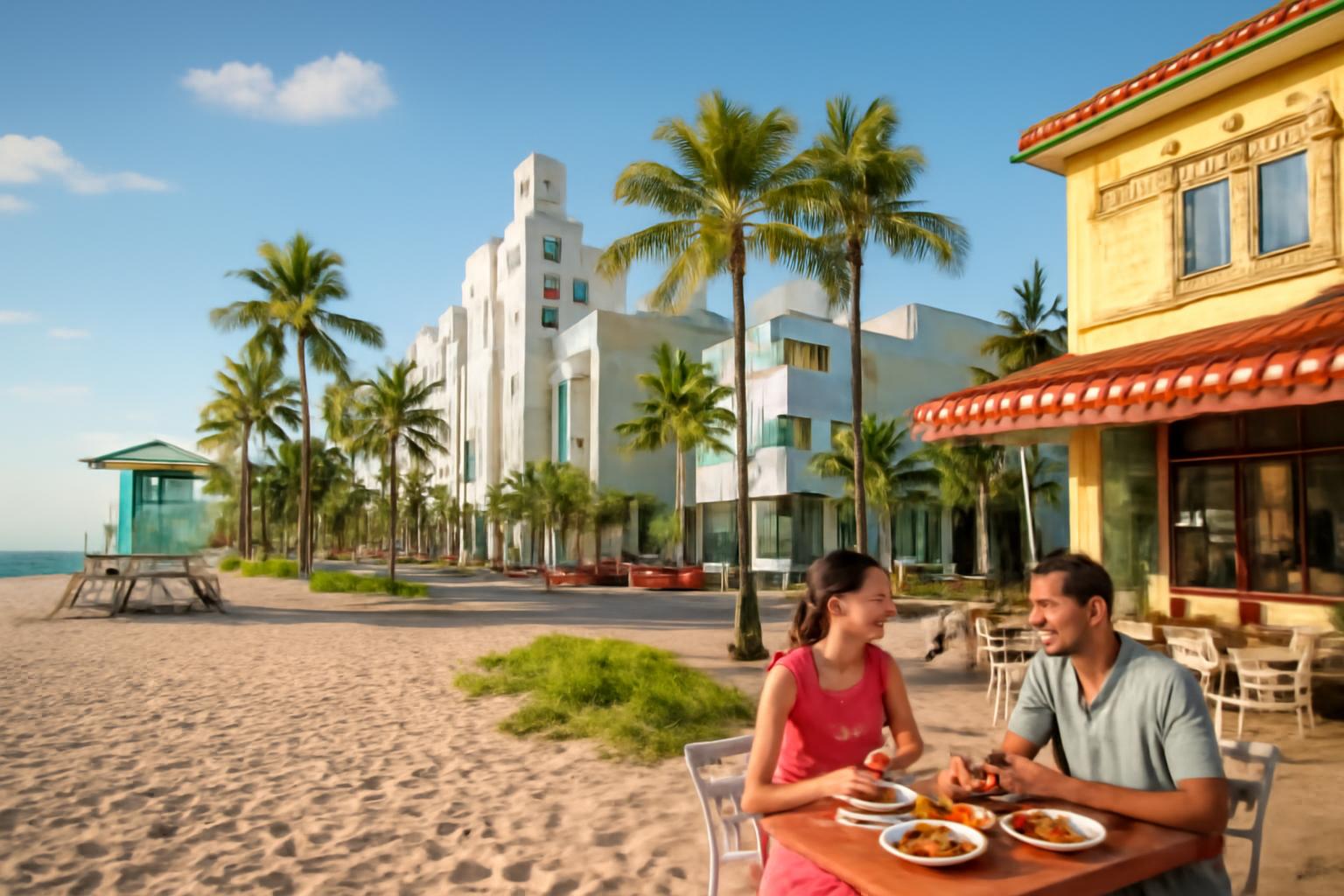
Plan on three full days to cover Miami's core well. With four or five days, you can add a second day trip or slow the pace.
Overview
The best things to do in Miami cluster into a handful of areas: South Beach and the Art Deco District on Miami Beach, Cuban food and salsa in Little Havana, street art in Wynwood, a $20 boat cruise on Biscayne Bay, the Vizcaya Museum and Gardens, and day trips to the Everglades, Key West, or Biscayne National Park. Many of the headline experiences cost nothing at all, a point The Travel Expert makes plainly: strolling Ocean Drive, admiring Wynwood’s murals, and hearing salsa drift through Little Havana are free. This guide organizes everything by neighborhood so you can plan your days geographically, then covers verified prices, car-free transport, timing, and where to stay.
How Miami Is Laid Out (and Why It Changes Your Plan)
The single most useful thing to understand before you plan anything: Miami Beach is not a neighborhood of Miami. It is a separate barrier-island municipality connected to the mainland by causeways, a distinction the writers at Beyond Yellow Brick emphasize enough that they recommend splitting your stay between Miami Beach and Miami proper. The beach, Ocean Drive, and the Art Deco District sit on the island. Little Havana, Wynwood, Downtown, Brickell, and Vizcaya are all on the mainland.
The good news is that once you’re on the right side of the water, distances shrink. The Travel Expert describes Miami’s main neighborhoods as relatively compact and easy to navigate, noting the city feels more like a series of separate holiday resorts than a sprawling US metropolis. That is exactly why this guide groups activities by geography rather than popularity ranking: stack your island days and your mainland days, and you avoid burning vacation hours crossing the bay twice a day. Each section below covers one geographic cluster, so you can lift them straight into a day-by-day plan.
Miami Beach: South Beach, Ocean Drive and the Art Deco District
If you do nothing else on Miami Beach, walk it. South Beach pairs a wide public beach with the historic Art Deco District, and Visit Florida lists a stroll through the district alongside the beach itself as a core Miami experience. Ocean Drive is the spine of it: pastel Deco hotels, neon at night, and people-watching that costs nothing. The Travel Expert counts strolling Ocean Drive among the top free things to do in the entire city.
Along the way you’ll pass the former Versace Mansion, one of Ocean Drive’s most photographed landmarks. If you plan to eat at the restaurant inside, know that upscale Ocean Drive dining generally comes with dress expectations, so don’t show up straight off the sand. A few blocks inland, the pedestrianized Lincoln Road is the island’s main browsing and dining strip, an easy add-on to a beach afternoon.
Now the cost caveat that surprises first-timers. The Travel Expert reports that sun loungers and umbrella rentals can run up to $50 per day in South Beach. The beach itself is free; the furniture is not. If you plan multiple beach days, that lounger line item alone is a reason to pick a hotel that includes beach club access, which effectively folds the cost into your room rate. Otherwise, bring a towel, claim your patch of sand, and spend the $50 on dinner instead.
Budget most of a day here: beach in the morning, Art Deco walking in the late afternoon when the light softens, Lincoln Road or Ocean Drive in the evening.
Little Havana: Calle Ocho, Cuban Food and Salsa After Dark
Little Havana is the one activity to prioritize if your time is short. Beyond Yellow Brick puts it flatly: if you only have time for one activity in Miami, do a food tour in Little Havana. The Travel Expert agrees, recommending a food and walking tour to get the most out of the neighborhood, which it calls Miami’s Cuban heart, packed with cigar shops, colorful cafés, salsa music, and Cuban restaurants.
The neighborhood centers on Calle Ocho (SW 8th Street), where you can watch the regulars at Domino Park, browse cigar shops, and eat very well. For a classic sit-down Cuban meal, Visit Florida points to Versailles Restaurant, the neighborhood’s best-known dining institution. For the Cubano sandwich specifically, Beyond Yellow Brick especially enjoyed the Cubanos at Havana 1957, which also has several South Beach locations if you miss it on the mainland.
Here’s the timing insight most guides skip: go later than you think. The Travel Expert visited during the day and admitted the neighborhood really comes alive after dark, when live music spills out of the salsa bars and spots like the famous Ball & Chain fill up. A quick breakfast stop technically checks the box, but it undersells the place.
The practical play: book a food or walking tour for the afternoon so you get the history and the tastings, then stay through the evening for music. Little Havana pairs naturally with Wynwood or Vizcaya on a mainland day.
Wynwood Street Art: Free Murals and the Paid Wynwood Walls
Wynwood is really two experiences: a free one and a paid one, and you should understand the difference before you go. The neighborhood itself is an open-air gallery of murals you can wander at no cost; The Travel Expert lists admiring Wynwood’s street murals among Miami’s best free experiences. The paid Wynwood Walls is a curated open-air museum within the neighborhood, home to over 40 murals and 12 sculptures from internationally known street artists, per The Travel Expert, which says the $12 entrance fee is worth paying. The travel blog Sarowly confirms the $12 ticket, while TripAdvisor lists admission from $13, so budget in that range.
One honest expectation check: recent visitor accounts of the wider neighborhood differ. Beyond Yellow Brick found some of the gallery scene diminished, with smoke shops moving into former gallery spaces, while The Travel Expert still ranks the district among the city’s top experiences. Both can be true; the murals remain the reliable draw, the gallery browsing is more hit-or-miss than older guides suggest. Go for the street art, pay for the Walls if you want the curated core, and treat anything beyond that as a bonus.
Downtown, Brickell and Biscayne Bay Boat Tours
The Biscayne Bay sightseeing cruise is one of the best value-for-money activities in the city, and Downtown is where it leaves from. The Travel Expert prices the Millionaire’s Row cruise at just $20 for 90 minutes, calling it one of the best-value activities in Miami, with departures from Pier 5 at Bayside Marketplace. The route takes in the bay, the skyline, and the waterfront mansions of Millionaire’s Row; TripAdvisor’s rankings, which are informed by traveler reviews, ratings, and page views, feature the Miami Millionaires Sightseeing Cruise among the city’s top activities.
If your schedule allows, aim for the end of the day. Sarowly singles out the sunset cruise as a great, affordable experience with views of downtown Miami and the nearby islands, and the skyline genuinely earns the golden hour.
Because the boats leave from Bayside Marketplace, it makes sense to build the rest of your Downtown time around the departure point. Bayside itself is a waterfront shopping and dining complex where you can browse before boarding. Just south, Brickell is Miami’s high-rise financial district, and The Travel Expert notes that Brickell and Downtown offer superb shopping, dining, and entertainment along with more reasonably priced hotels than the beach. A late-afternoon Brickell wander, a Bayside dinner, and a sunset cruise stack neatly into one car-free evening, especially since the free Metromover (more on that below) loops through this exact area.
Vizcaya Museum and Gardens: Verified Prices, Discounts and What’s Included
Vizcaya is the one major Miami attraction where this guide can give you current official pricing, because the numbers below come straight from vizcaya.org. Built in 1916 as industrialist James Deering’s winter estate on Biscayne Bay in north Coconut Grove, the property combines a Mediterranean-style main house with formal waterfront gardens, and TripAdvisor’s traveler data ranks it among Miami’s top attractions.
Here is what admission costs and includes right now, per Vizcaya’s official pages:
- Adult (13+): $20, reduced from $25 while essential restoration work is underway; children 6-12: $10; children 5 and under: free
- Free admission programs (purchased onsite at the admissions booth): visitors with a disability under the ADA plus one accompanying caregiver, US military veterans and active-duty personnel with ID, and SNAP EBT cardholders with up to 3 guests through Museums for All
- Included at no extra cost: an audio tour via the Vizcaya app or web browser, and free Spotlight Discussions with volunteer guides, scheduled every hour from 10:30 a.m. to 2:30 p.m. in the Courtyard
Two planning notes from Vizcaya’s visit page. First, guided tours of the Main House are temporarily unavailable due to preservation work, though self-guided visits continue and guided garden tours run seasonally from November through April. Second, accessibility: the estate has uneven surfaces including stone pathways, steps, and gravel garden paths; wheelchair lending is available first-come, first-served; and the first floor of the Main House is mostly wheelchair accessible via a ramp and lift, while the second floor is not.
If you expect to return, the Preservation Pass covers unlimited daytime admission for two people for $75 per year, breaking even at two visits, and is available through September 30, 2026 only.
Things to Do in Miami with Kids
Miami has a solid family circuit, and the picks below are the ones the sources consistently back. The official Miami and Beaches site names Zoo Miami, the Venetian Pool, and the Phillip and Patricia Frost Museum of Science as some of the best things to do in Miami with kids, and Visit Florida adds the Miami Seaquarium for interactive marine life experiences.
- Zoo Miami: The Travel Expert calls it one of the best kid-focused activities in the city and notes that although it spreads across 750 acres, the monorail and extensive bike paths make it easy to cover without exhausting small legs.
- Frost Museum of Science: a Downtown science museum that doubles as your best air-conditioned backup on a rainy day.
- Venetian Pool: a historic Coral Gables swimming spot for a change of pace from the ocean.
- Miami Seaquarium: marine life encounters, per Visit Florida.
One cross-reference worth remembering from the Vizcaya section: children 5 and under enter Vizcaya free and kids 6-12 pay $10 per vizcaya.org, and the gardens give younger travelers room to move. Plan zoo and outdoor days for cooler mornings and keep Frost Science in your back pocket for weather changes.
Day Trips: Everglades, Key West and Biscayne National Park
Three day trips come up in nearly every Miami source, and each asks for a different amount of your time.
- Everglades airboat tour (half day): The Travel Expert calls an airboat ride through the Everglades one of the top things to do in Florida and notes it is easily accessible from Miami; Visit Florida adds that Everglades National Park is a short drive away with wildlife experiences you won’t get anywhere else in the country. Many operators structure this around hotel pickup, which is the practical choice if you’re traveling car-free.
- Key West (full day): The Travel Expert’s version is the drive across the Overseas Highway to spend the day at the southernmost point of the continental United States. TripAdvisor lists organized Miami-to-Key West day trips with activity options, which solve the no-car problem, but treat this as a genuinely full day.
- Biscayne National Park (half to full day): Miami and Beaches points out that 95% of the park is underwater, so you experience it by boat. Beyond Yellow Brick reports that the Biscayne National Park Institute runs guided boat tours and kayaking daily.
Before you book any of these, do three checks: confirm the operator’s current operating hours, confirm exactly where and when pickup happens, and read the cancellation policy. The reason is a documented pattern in traveler reviews, including one writer’s experience of being effectively stranded by a hop-on-hop-off bus that stopped running earlier than expected. Tours in Miami are generally reliable, but the ones that go wrong tend to go wrong on hours and pickups, and five minutes of verification is cheap insurance for a full-day commitment.
Miami Nightlife Beyond the Beach Clubs
Miami’s nightlife runs a wide spectrum, and you don’t need a velvet rope to enjoy it. At one end sit the big South Beach nightclubs and the rooftop bar scene, where table reservations and cover charges are the norm; if that’s your plan, book ahead rather than counting on walking in. But the evening the evidence supports most strongly is on the mainland: The Travel Expert describes salsa music drifting through the streets of Little Havana as one of the city’s memorable free experiences, and observes that the neighborhood really comes alive after dark, with live music in the salsa bars along Calle Ocho.
If big clubs aren’t your scene, an evening built around Cuban food, live salsa, and a slow walk down Calle Ocho gives you a genuinely Miami night out at a fraction of the cost, and it slots naturally onto the end of a mainland sightseeing day.
Getting Around Miami Without a Car
You can do this whole trip without a rental car, and for most first-time visitors you should. Here is the car-free stack, all of it drawn from firsthand accounts:
- Free Miami Beach trolley: Beyond Yellow Brick urges you not to sleep on the free trolley, which runs various loops around Miami Beach from 8 a.m. to 11 p.m. daily.
- Free Metromover: The Travel Expert recommends trying this free Downtown Miami transit service, ideal for hopping between Brickell, Bayside, and Downtown stops. A TripAdvisor reviewer’s verdict: it can get crowded, but for a free service it’s clean, quick, and does the job.
- Citi Bike: The Travel Expert calls it probably the handiest option, with stations throughout the city and an easy app. On Miami Beach specifically, Beyond Yellow Brick found stands about every three blocks along Collins Avenue, which matters because the island is long and narrow: too far to walk end to end, too short a hop to justify constant taxis.
- Rideshare and Waymo: For longer distances, Beyond Yellow Brick relied completely on rideshares. The Travel Expert suggests a novelty alternative: download Waymo and book a driverless taxi, which works like Uber at a similar cost.
One transport product deserves a balanced word: the hop-on-hop-off bus. The Travel Expert’s overall experience of Miami transport was easy and resort-like thanks to compact neighborhoods, but Beyond Yellow Brick’s account is a caution, since limited daily operating hours can leave you stranded at a far-flung stop like Wynwood with no return bus. If you buy a ticket, check the last departure time from every stop you plan to use, and keep rideshare as your fallback.
What Miami Really Costs
Both of these statements are true, and you should plan around the tension between them. The Travel Expert says many of the top things to do in Miami cost nothing at all, and in the same guide says it is not a destination it would recommend for a budget break. The resolution: the sightseeing is cheap, but the beach, dining, and lodging layer is where Miami extracts its money. Loungers up to $50 a day (The Travel Expert), pricey beachfront hotels, and resort-area restaurant bills add up fast.
One line item catches almost every first-timer: Beyond Yellow Brick reports that every Miami Beach restaurant they visited added an automatic 18-20% service fee to the bill. Read your check before you tip. That fee generally is the tip, and travelers who don’t notice it end up paying gratuity twice. If service was poor, you can ask about the charge, but at minimum treat it as your baseline tip rather than adding 20% on top.
Honest limit: the sources behind this guide don’t support a city-wide daily budget figure, so this article won’t invent one. What it can give you is the free layer and the verified line items below, which cover the biggest variables.
Free and Cheap Things to Do
You can fill real portions of a Miami trip without opening your wallet. The free layer breaks into two groups, both documented by The Travel Expert and Beyond Yellow Brick:
- Free transport: the Miami Beach trolley loops (8 a.m. to 11 p.m. daily) and the Downtown Metromover
- Free experiences: strolling Ocean Drive and the Art Deco District, wandering Wynwood’s street murals outside the paid Walls, listening to salsa in the streets of Little Havana, and the beach itself (minus the lounger)
- Cheap standout: the $20, 90-minute Millionaire’s Row cruise from Pier 5 at Bayside, which The Travel Expert ranks among the best-value activities in the city
A realistic budget day on the mainland: Metromover between Downtown stops, free Wynwood murals, an evening of street-level Little Havana atmosphere, with the $20 cruise as the day’s only paid activity. That structure keeps your spending concentrated on food, where Miami is genuinely worth it.
Verified Prices at a Glance
Every figure in this table traces to a named source; anything you’ll find on other lists without solid sourcing (bus passes, food tour rates) is deliberately left out.
| Item | Price | Source and notes |
|---|---|---|
| Wynwood Walls admission | $12 (listed from $13 on TripAdvisor) | The Travel Expert and Sarowly report $12; TripAdvisor lists tickets from $13 |
| Millionaire’s Row cruise | $20 for 90 minutes | The Travel Expert; departs Pier 5, Bayside Marketplace |
| South Beach sun lounger + umbrella | Up to $50/day | The Travel Expert; beach itself is free |
| Vizcaya adult admission (13+) | $20 (reduced from $25 during restoration) | vizcaya.org |
| Vizcaya child admission (6-12) | $10; ages 5 and under free | vizcaya.org |
| Vizcaya Preservation Pass | $75/year for two people | vizcaya.org; available through September 30, 2026 |
Prices change, especially Vizcaya’s restoration-period discount, so confirm on official booking pages before you travel. But as a planning baseline, these are the numbers the current evidence supports.
Best Time to Visit Miami
The consensus window is winter through late spring. Visit Florida puts the best time to visit at December to May, when the weather is warm and dry. The flip side is firm: Sarowly advises avoiding June through the end of November entirely, since that stretch is hurricane and rainy season. May sits at the contested edge of the dry season, so treat it as good-but-not-guaranteed rather than a sure thing.
Within the dry season, crowds and prices spike at predictable moments. The Travel Expert recommends avoiding Christmas and Easter (Spring Break) if you want good value and fewer crowds, which makes the shoulder weeks of the dry season, January after the holidays, or late April outside Spring Break, the sweet spots.
Now the contrarian data point. TripAdvisor’s own visitor data shows June averaging 82°F with 17 days of rain, and identifies it as the least busy month of the year. Every guide says avoid summer, and that unanimity is exactly why June is empty. If your priority is thin crowds and lower prices, and you can live with daily rain risk and real heat, June is a defensible gamble. If your priority is reliable beach weather, stick to the December-May consensus and just dodge the holiday peaks.
Rainy-Day and Summer-Heat Backups
If you visit anywhere near the June-November wet season, build one indoor block into every day. The Frost Museum of Science, which Miami and Beaches lists among the city’s top family attractions, is the most obvious air-conditioned anchor Downtown, and it sits near the free Metromover so you can reach it without standing in the rain waiting for a rideshare. Air-conditioned shopping and dining areas in Brickell and Downtown, which The Travel Expert highlights for exactly those strengths, work as flexible fallback hours rather than destinations in themselves. Tactically, front-load outdoor plans in the morning, since you can always swap a rained-out afternoon beach session for a museum, then return outside in the evening. The rain in Miami tends to be an interruption, not a write-off.
Where to Stay: South Beach vs Brickell and Downtown
For a first visit, South Beach is the default base, with one caveat and one alternative. Sarowly considered South Beach the best place to stay in Miami but warns against booking directly on or near Ocean Drive, which is very busy (read: loud) at night. The Travel Expert likewise ranks South Beach among the city’s best areas, with hotels across budgets. If beach mornings are the core of your trip, stay on the island a few blocks off Ocean Drive.
The value alternative is the mainland. The Travel Expert notes that Brickell, Coconut Grove, and Downtown Miami tend to offer more reasonably priced hotels while still delivering strong shopping, dining, and entertainment, plus you’d be sitting on top of the free Metromover and closer to Little Havana, Wynwood, and Vizcaya.
The strategy that best fits this guide’s geography-first logic comes from Beyond Yellow Brick: split your stay between Miami Beach and Miami proper. A few nights on the island for the beach and Art Deco, then a few nights on the mainland for the neighborhoods, means you cross the causeway with your luggage once instead of commuting over it daily. For a trip of four nights or more, the split stay is the strongest option.
How Many Days You Need: A Sample 3-Day Plan
Three full days covers Miami’s core well; four or five lets you add a second day trip or slow the pace. The plan below is built directly from this guide’s geographic sections and leans on The Travel Expert’s observation that Miami’s main neighborhoods are compact and easy to navigate, so each day stays inside one geographic zone.
- Day 1, Miami Beach: Beach morning (bring a towel unless your hotel includes loungers), Art Deco District and Ocean Drive walk in the late afternoon, Lincoln Road in the evening. Use the free trolley and Citi Bike to move along the island.
- Day 2, the mainland: Vizcaya in the morning while it’s cooler ($20 adult admission per vizcaya.org, audio tour included), Wynwood’s free murals and the paid Walls after lunch, then Little Havana from late afternoon into the night for food and salsa. Cap the evening with the $20 sunset-timed cruise from Bayside if the schedule lines up, or slot it before Little Havana.
- Day 3, day trip: Pick one: an Everglades airboat half day (which leaves you a final beach afternoon), the Biscayne National Park Institute’s boat or kayak tours, or the full-day Key West run via the Overseas Highway.
With five days, split your stay between the island and the mainland as Beyond Yellow Brick recommends, add the family attractions or a second day trip, and leave one unscheduled beach day. Whatever your length, keep each day inside one zone and let the causeway crossings stay rare.