
Two Ways to Get Tangy Popcorn Without Ruining the Crunch
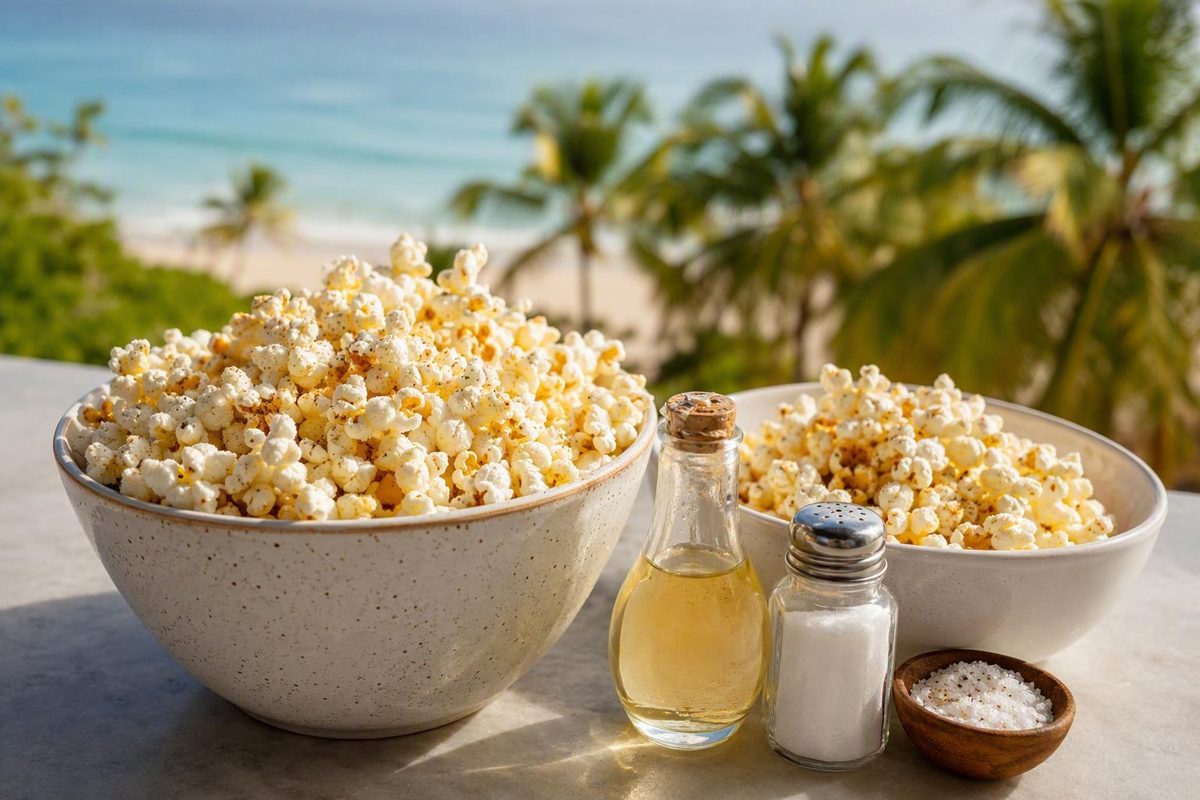
Ordinary vinegar is a pantry alternative, but it should be added to fully popped corn in small, well-distributed applications and served promptly.
Two ways to get tangy popcorn without ruining the crunch
Salt and vinegar popcorn can be seasoned with dry vinegar powder or measured liquid vinegar. Powder adds tang without applying liquid directly to the finished popcorn, making it the lower-moisture choice. Ordinary vinegar is a practical pantry alternative, but it should be added to fully popped corn in small, well-distributed applications and served promptly.
The formulas below come from published recipes rather than testing conducted for this article. Treat each one as a recipe-specific starting point: popcorn yield, packaged seasoning formulations, salt crystal size, and individual taste can all affect the result.
Choose Your Method: Vinegar Powder or Liquid Vinegar
Choose vinegar powder when preserving crunch is the priority. Vinegar powder is dehydrated vinegar, so it supplies acidity without adding liquid directly to the popcorn. A published three-ingredient method combines it with finished popcorn and salt in a lidded bowl or paper bag.
Choose liquid vinegar when pantry convenience matters. It can be mixed with melted butter, applied as a fine mist, or added carefully to popcorn that has already been coated with oil. The important points are to season only after popping and to avoid concentrating the liquid in one place. Published recipes associate heavy or uneven liquid application with soggy, chewy, or shriveled popcorn.
Neither method has been established as universally superior. Powder introduces less moisture but may require a specialty purchase and can be overpowering if used heavily. Liquid vinegar is easier to find in many kitchens, but distribution and serving time matter more.
| Consideration | Vinegar powder | Liquid vinegar |
|---|---|---|
| Core ingredients | Popcorn, vinegar powder, and salt; fat may be optional | Popcorn, vinegar, salt, and often butter or oil |
| Useful equipment | Lidded bowl or roomy paper bag | Oversized bowl, spoon or whisk, or fine-mist bottle |
| Texture risk | Lower risk from added moisture, although excess fat may still soften the popcorn | Greater risk when too much liquid lands in one place |
| Coating method | Shake with part of the powder and salt, then adjust | Drizzle, shake, or mist in several light applications |
| Dairy status | Dairy-free if no butter or dairy-containing seasoning is used | Butter versions contain dairy; coconut-oil and oil-free formulas are available |
| When to serve | Fresh is preferable | Immediately after seasoning |
| Best fit | Crunch is the main priority | You want to use ordinary pantry vinegar |
Quick rule: start with the powder recipe if texture matters most. If you only have liquid vinegar, measure it first, season the finished popcorn gradually, and do not pour it into the popping oil.
Dry Salt-and-Vinegar Popcorn With Vinegar Powder
The simplest dry method needs three ingredients and a container with enough empty space for the popcorn to tumble.
Three-ingredient dry recipe
Ingredients
- 3 cups air-popped popcorn
- 1 tablespoon vinegar powder
- 1 teaspoon kosher salt
These are the quantities in the published three-ingredient vinegar-powder recipe.
Method
- Put the popcorn in a lidded bowl or roomy paper bag.
- Add about half to three-quarters of the vinegar powder and salt.
- Close the container and shake until the seasoning is distributed.
- Taste and add more powder or salt as needed.
- Shake again and serve.
The original formula adds the listed ingredients and shakes them together. Holding back some seasoning at first is a cautious adaptation: the source notes that salt may need adjustment when a different salt or pre-seasoned popcorn is used, and vinegar powder can taste forceful.
Do not convert this recipe into a supposedly universal per-cup ratio. A volume measure of fine salt is not interchangeable with the same volume of coarse kosher salt, and packaged vinegar seasonings can differ by formulation. Start conservatively when changing products.
Larger butter-and-powder version
For a larger batch with fat as the seasoning carrier, use:
- 1/3 cup popcorn kernels
- 2 tablespoons butter
- 1 teaspoon malt vinegar powder
- 1/2 teaspoon kosher salt
The source lists five minutes of preparation and five minutes of cooking for this formula, for a stated total of 10 minutes.Crunch Time Kitchen provides the quantities, timing, and complete method
Method
- Air-pop the kernels.
- Melt the butter over low heat.
- Stir the malt vinegar powder into the melted butter.
- Drizzle the mixture over the popcorn while tossing.
- Add the kosher salt and toss again.
Here, the butter disperses the concentrated powder instead of leaving it in intensely sour patches. The recipe suggests coconut oil as a substitute for butter.
That substitution removes the butter itself, but dietary suitability still depends on every selected product. Inspect the ingredient and allergen labels on the vinegar powder and other packaged ingredients, especially when following a strict dairy-free, vegan, or gluten-free diet. A recipe category or the word “vinegar” does not establish that every brand will meet a particular restriction.
Keep the two powder formulas distinct. One seasons three cups of finished popcorn directly; the other combines malt vinegar powder with melted fat for popcorn made from one-third cup of kernels. They are separate recipes, not proof of a single ideal powder-to-popcorn ratio.
Liquid-Vinegar Popcorn With Butter
Liquid vinegar can work when it is kept out of the popping oil and distributed over finished popcorn in several small applications.
Stovetop recipe for four servings
Ingredients
- 2 tablespoons vegetable or coconut oil
- 1/2 cup popcorn kernels
- 1 tablespoon unsalted butter, melted
- 2 teaspoons distilled white vinegar or white balsamic vinegar
- 1 teaspoon kosher salt
The published recipe lists four servings, five minutes of preparation, and five minutes of cooking, although its displayed total time is inconsistent.Take Two Tapas supplies the complete stovetop formula
Method
- Put the oil and three test kernels in a large pot over medium heat.
- Once the test kernels begin popping, add the remaining kernels and cover the pot.
- Shake the covered pot periodically so the kernels move across the hot surface.
- Remove the pot from the heat when popping slows to approximately 5–8 seconds between pops.
- Transfer the popcorn to an oversized bowl and remove visible unpopped kernels.
- Whisk the melted butter and vinegar together in a separate bowl.
- Drizzle a small amount over a broad area of the popcorn.
- Toss thoroughly, then repeat until the measured mixture has been applied.
- Add the kosher salt, toss, and serve immediately.
Keep the vinegar separate until the popcorn has finished popping. The recipe specifically warns that adding vinegar to hot popping oil may cause splattering and directs readers to serve the coated popcorn immediately to limit sogginess.See the recipe’s popping and safety guidance
The listed amount is part of one four-serving formula. It does not establish how much liquid every batch of popcorn can absorb while remaining crisp.
Eight-cup air-popped version
For a measured air-popped yield, use:
- 8 cups popped popcorn, listed as approximately 1/2 cup unpopped kernels
- 3 tablespoons butter
- 2 1/2 teaspoons white balsamic vinegar
- 1 1/2 teaspoons kosher salt
- 1 teaspoon dried dill
The source reports that this recipe takes under 10 minutes, with about five minutes of active preparation.Cookies & Cups provides the quantities, timing, and gradual-coating instructions
Method
- Air-pop the kernels into a large bowl and remove the unpopped ones.
- Melt the butter with the white balsamic vinegar.
- Whisk the liquids together.
- Drizzle the mixture slowly over the popcorn while continually tossing.
- Add the salt and dried dill.
- Toss again and eat immediately.
The recipe warns that too much liquid concentrated in one place can make the popcorn chewy and shriveled. The dill gives this version a pickle-like direction; the full teaspoon is part of the published formula, although it can be omitted if that flavor is not wanted.
How to Coat Every Kernel More Evenly
An oversized bowl, lidded container, or roomy paper bag matters because the popcorn needs space to move.
Use the method that matches your seasoning:
- Butter and vinegar: drizzle a narrow stream around a broad area, toss from the bottom, rotate the bowl, and repeat.
- Dry powder: add part of the powder and salt, close the container, shake, and taste before adding more.
- Liquid spray: use the finest mist available, toss after each light application, and stop before the popcorn looks visibly wet.
Multiple small applications provide more control than one large pour. They do not allow unlimited liquid, but they reduce the likelihood that a few kernels will absorb most of the coating.
A community-submitted buttering technique suggests half-filling a paper bag, drizzling melted butter along its sides, and shaking for at least 30 seconds.Seasoned Advice documents this user-submitted paper-bag method It concerns butter rather than a complete salt-and-vinegar recipe and is anecdotal rather than controlled evidence. Its useful principle is simply to leave room and keep the popcorn moving.
Quick coating troubleshooting
| Problem | Likely preparation issue | Next step |
|---|---|---|
| Patchy flavor | Seasoning landed in one small area | Use a larger vessel and alternate small additions with tossing |
| Weak tang | Too little seasoning or poor distribution | Add a small amount of powder or one very light liquid pass |
| Clumped powder | Powder struck wet spots or was added too quickly | Break up the clumps, shake thoroughly, and use smaller additions |
| Excessive salt | The full amount was added before tasting | Mix in plain popcorn and hold back some salt next time |
| Damp popcorn | Too much liquid or too many spray passes | Serve promptly; reduce the liquid or use powder next time |
Do not correct weak flavor with an unmeasured splash of vinegar. It may increase acidity, but it also increases the risk of wet, unevenly seasoned popcorn.
Air-Popped, Stovetop, and Microwave Adaptations
Published formulas support air-popped and stovetop popcorn, while the dry powder recipe also allows plain, unsalted microwave popcorn.
Air popper
Air-popped popcorn can be used with either main approach:
- Shake finished popcorn with vinegar powder and kosher salt.
- Coat it with a measured butter-and-vinegar mixture.
- Stir malt vinegar powder into melted butter or coconut oil before drizzling.
Remove unpopped kernels before vigorous shaking or serving. Use a vessel large enough for the popcorn to tumble rather than pressing it into a small bowl.
An air popper does not by itself make the finished snack healthier than every stovetop or microwave version. The ingredients, amounts, packaged seasonings, and serving size all affect the final snack, and the supplied recipes do not establish a meaningful health comparison.
Stovetop pot
Pop the kernels completely before introducing vinegar. One stovetop recipe uses a stopping cue of about 5–8 seconds between pops; the coconut-oil formula below uses 10–15 seconds between pops. These are recipe-specific cues rather than universal thresholds.
Listen for a clear slowdown and remove the pot from the heat before the popcorn scorches.
Most importantly, keep vinegar out of the hot popping oil. Season only after popping is complete.
Plain microwave popcorn
Plain, unsalted microwave popcorn can replace freshly air-popped popcorn in the powder method. If the package is already salted or buttered, inspect its label and taste the popcorn before adding more salt.
Vinegar powder is the lower-moisture adaptation for microwave popcorn. That is a texture-conscious preference based on the liquid-seasoning warnings in the sourced recipes, not the result of a controlled comparison among microwave methods.
If using liquid seasoning, transfer the popcorn to a large bowl rather than trying to coat it inside a tightly filled microwave bag. Apply the seasoning sparingly and serve promptly.
Vinegar Choices and Flavor Variations
The published formulas demonstrate several vinegar options, but they do not compare them under identical conditions. There is no supported basis for declaring one the closest match to commercial salt-and-vinegar chips.
Demonstrated options include:
- Distilled white vinegar: an option in the buttered stovetop formula.
- White balsamic vinegar: used in the buttered stovetop formula and the eight-cup air-popped version.
- Apple cider vinegar: used in the coconut-oil stovetop version.
- Malt vinegar powder: mixed into melted butter in the powder-and-fat recipe.
- Red wine vinegar: offered as an option for an oil-free spray.
- Ume plum vinegar: also offered for the oil-free spray.
Choose according to the recipe you want to follow, what is available, and the information on the product label rather than assuming the options will taste interchangeable.
Dill variation
For a pickle-like variation, add 1 teaspoon dried dill to the eight-cup air-popped formula. Sprinkle it on with the salt after applying the butter and white balsamic vinegar.
Dairy-free coconut-oil version
A published formula uses:
- 1/4 cup popping corn
- 1 tablespoon coconut oil
- 2 teaspoons apple cider vinegar
- 1/2 teaspoon sea salt
The source says one-quarter cup of kernels produces about four cups of popped corn and uses a stopping cue of 10–15 seconds between pops.Be Good Organics provides the quantities and stovetop method
Method
- Melt the coconut oil in a pot.
- Pop the kernels and remove the pot from the heat when popping slows.
- Add the vinegar and salt after popping.
- Cover the pot and shake vigorously.
- Serve fresh.
This formula adds vinegar directly to popcorn that has already been popped in coconut oil rather than first combining the vinegar and fat in a separate bowl. It illustrates why mixing vinegar with butter is useful but not mandatory: gradual, post-popping distribution is the broader rule.
The source presents the recipe as dairy-free and butter-free. Anyone with strict dietary requirements should still verify every packaged ingredient’s label.
Oil-free spray concept
An oil-free formula combines one part vinegar with one part salty liquid seasoning in a spray bottle. Vinegar choices include red wine, apple cider, white, and ume plum; salty-liquid options include soy sauce, tamari, and liquid aminos.PLANTSTRONG gives the equal-parts formula and listed options
The source does not provide a popcorn batch size or number of sprays. “Equal parts” describes the mixture inside the bottle, not the amount a bowl of popcorn should receive. Mist conservatively, toss, and stop before the popcorn becomes visibly wet.
For allergy or dietary needs, inspect the ingredient and allergen labels on the specific soy sauce, tamari, liquid aminos, vinegar powder, and prepared popcorn you select. Butter-based recipes contain dairy, and packaged products may carry additional allergen declarations.
Troubleshooting Soggy, Weak, or Over-Seasoned Popcorn
The popcorn is soggy, chewy, or shriveled
Excess liquid—or too much liquid concentrated in one area—is the likely preparation problem. The supplied recipes do not validate a dependable oven or air-fryer method for restoring already-seasoned popcorn, so focus on prevention next time:
- Reduce the liquid.
- Use several lighter applications.
- Toss continuously while seasoning.
- Switch to vinegar powder when minimizing moisture is the priority.
- Serve liquid-coated popcorn immediately.
Some pieces are intense and others are plain
Move the popcorn into a larger bowl or bag. Apply a small portion of seasoning, toss from the bottom, rotate the vessel, and repeat. Avoid aiming every drizzle or spray at the center.
The vinegar flavor is too weak
For a powder recipe, add a small pinch, shake, and taste. For a liquid recipe, use one additional light application while tossing. Do not add a large, unmeasured splash.
Taste before increasing both vinegar seasoning and salt. The missing element may be distribution rather than quantity.
The vinegar powder is overpowering
Add plain popcorn gradually and toss after each addition. An exact corrective ratio cannot be guaranteed because powder intensity and the amount already applied are uncertain.
The popcorn is too salty
Mix in unseasoned popcorn. On the next batch, reserve part of the measured salt until the vinegar seasoning has been distributed. This is particularly useful when starting with packaged popcorn or a salty liquid seasoning.
The powder will not stick
Use the malt-vinegar-powder method: stir the powder into melted butter and drizzle it over the popcorn while tossing. Coconut oil is the recipe’s suggested substitute for butter.
The recipe changed when you switched salt or powder
Volume measurements are not perfectly interchangeable. Retain the specified ingredient where practical or begin with less when substituting.
Regardless of the formula, vinegar belongs in the post-popping seasoning, not in hot popping oil.
Serving, Storage, and Ready-Made Alternatives
Make an amount that is likely to be eaten promptly, especially when using liquid vinegar. Several liquid-seasoned recipes direct readers to eat the popcorn immediately because its coating can soften the kernels.
The dry powder recipe says fresh popcorn is best on the day it is made but permits storage in an airtight container for up to one week, with freshness declining.See the powder recipe’s storage guidance That is storage permission, not a promise that the popcorn will retain its original crunch for seven days.
The available sources do not establish a dependable crispness window for either powder- or liquid-seasoned popcorn. Do not assume that next-day texture will match a fresh batch.
Ready-made salt and vinegar popcorn is also available, although the supplied seller pages do not consistently show complete ingredient and nutrition information:
- The Popcorn Station lists bags holding 10, 23, 56, 100, or 208 cups, with a displayed price range of $4.95–$62.50.
- Poppin Popcorn lists a 9.5-ounce resealable bag for $20 and declares milk and soy.
- Northern Neck lists 3-, 6-, 9-, and 26-cup sizes, displays a price of $6.99, and declares dairy.
Prices, stock, package options, and formulations may change. Before buying, verify the current price for the selected size, availability, complete ingredients, nutrition information, and allergen declaration on the seller’s page. Seller descriptions and limited reviews do not independently establish taste, freshness, or quality.
Frequently Asked Questions
Can I make salt-and-vinegar popcorn without vinegar powder?
Yes. Pop the kernels first, then apply a measured liquid-vinegar seasoning to the finished popcorn. You can whisk vinegar with melted butter, add it carefully to popcorn already coated with coconut oil, or use a fine-mist spray. Apply it gradually and serve promptly.
Why does liquid vinegar make popcorn soggy?
Liquid concentrated in one area can leave some kernels wet while others remain nearly unseasoned. Dividing the seasoning into light applications and tossing between them improves distribution, but it does not remove the moisture. Powder is the lower-moisture option.
Can I use plain microwave popcorn?
Yes. Plain, unsalted microwave popcorn can be used with the dry method. Transfer it to a roomy bowl or bag, remove unpopped kernels, add part of the vinegar powder and salt, and shake.
If the popcorn is already salted or buttered, taste it first and reduce or omit the additional salt.
How can I make salt-and-vinegar popcorn dairy-free or oil-free?
For a dairy-free version, use the coconut-oil and apple-cider-vinegar formula or substitute coconut oil for butter in the malt-vinegar-powder method. Verify all packaged ingredients against your dietary requirements.
For an oil-free version, combine equal parts vinegar and a salty liquid seasoning in a spray bottle. Mist conservatively and check the selected products’ ingredient and allergen labels.
How long will seasoned popcorn stay crisp?
The available recipes do not establish a dependable crispness period. Liquid-coated versions are intended for immediate serving. A powder-based source allows airtight storage for up to a week but also says the popcorn is best on the day it is made and may lose freshness.
Use vinegar powder when minimizing added moisture is the priority. Use a measured liquid-vinegar method when pantry convenience matters more. Whichever route you choose, season in small passes, toss thoroughly, keep vinegar out of hot popping oil, and treat the published quantities as recipe-specific starting points rather than universal ratios.