
Start With a Mild Fish You Will Actually Enjoy
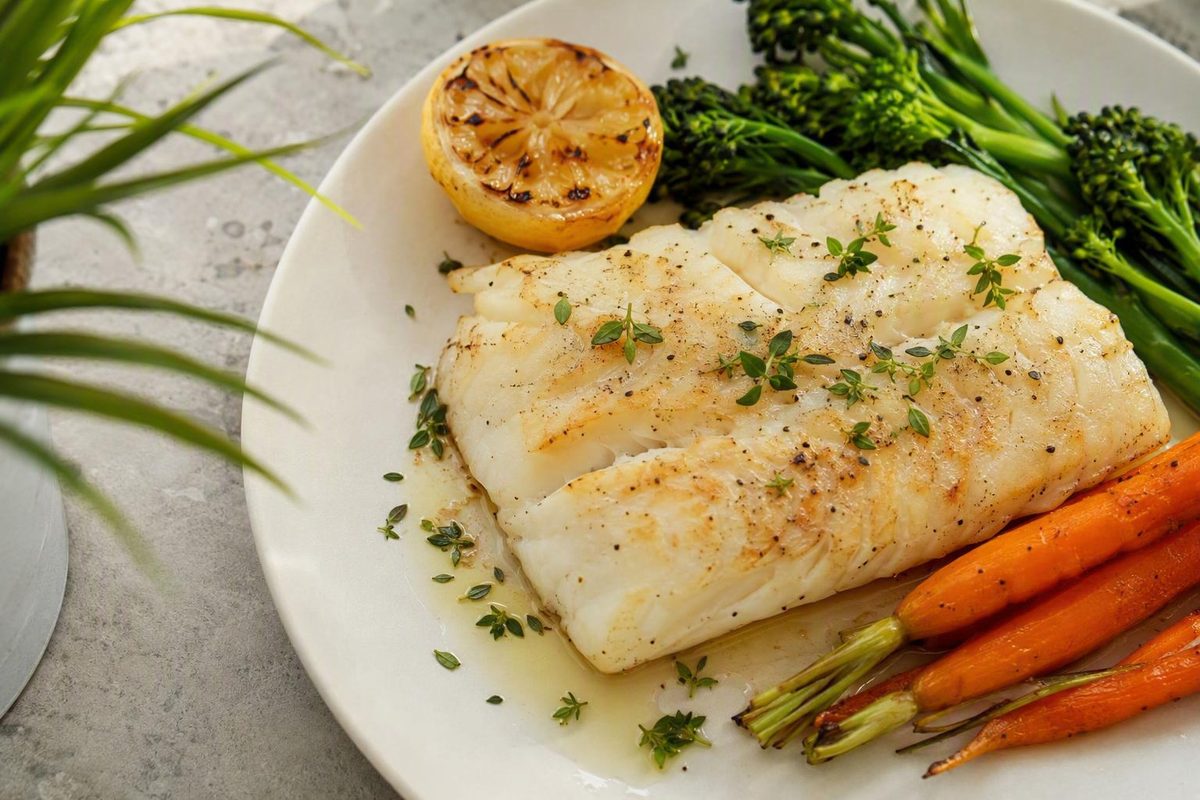
Start with cod for all-purpose versatility. Tilapia is often described as more neutral, while halibut suits people bothered by soft or flaky textures.
The short answer: start with cod, but do not treat the choice as universal
Cod is the most practical all-purpose answer to “What is the least fishy tasting fish?” Culinary guides repeatedly describe it as mild, clean, subtly sweet, flaky, and adaptable to different seasonings and cooking methods. It offers an approachable balance: more structure than delicate sole, a firmer texture than tilapia, and enough versatility for baking, pan-searing, tacos, soup, or a light crumb coating.
Tilapia and flounder or sole are the closest competing answers. Tilapia is often characterized as exceptionally neutral—a fish that readily takes on the flavor of its sauce or seasoning. Flounder and sole are similarly mild but have thin, tender fillets that require gentler handling.
There is no scientifically established winner. One commercial seafood ranking places Pacific cod first and describes it as mild, slightly sweet, flaky, and seasoning-friendly, but it does not report controlled testing with freshness-matched samples or a representative tasting panel. Treat that ranking as a retailer’s culinary judgment, not proof that cod is universally the mildest fish (Global Seafoods’ beginner fish guide).
Other commercial guides favor tilapia. One restaurant guide places tilapia at the mildest end of its subjective fishiness scale, ahead of halibut and cod, but it also provides no tasting protocol, sample size, or standardized comparison (N.C. Seafood Restaurant’s fishiness guide).
The useful answer is therefore a practical synthesis of recurring culinary descriptions, not a scientifically validated ranking:
- Choose cod for versatility: mild flavor, recognizable flakes, and enough structure for several cooking methods.
- Choose tilapia for maximum neutrality: especially when serving the fish with curry, salsa, garlic, herbs, or another familiar flavor.
- Choose flounder or sole for delicacy: best if you enjoy thin, tender fillets and do not mind careful handling.
- Choose halibut for a firmer bite: mild but more substantial than tilapia, flounder, or sole.
Whichever option sounds best, buy a small portion first. Individual preference—and the handling and preparation of a particular fillet—can matter more than its position on any general list.
Compare the best mild fish at a glance
These fish belong in the same broad beginner-friendly category, but they do not provide the same eating experience. “Relative flavor” is descriptive rather than numerical, and the order is not an objective fishiness scale.
| Fish | Relative flavor | Texture | Cooking difficulty | Suitable beginner preparation | Important caveat |
|---|---|---|---|---|---|
| Cod | Mild, clean, subtly sweet | Tender with distinct flakes | Easy to moderate | Bake or pan-sear with lemon, garlic, herbs, or breadcrumbs | Can become dry when overcooked |
| Tilapia | Exceptionally neutral | Soft, light, and gently flaky | Easy | Tacos, curry, pan-seared fillets, or a lightly sauced plate | Some diners dislike its softness or report muddy notes in particular products |
| Flounder or sole | Very mild and delicate | Thin, tender, and fragile | Moderate | Gentle pan-searing or baking | Cooks quickly and may tear during handling |
| Haddock | Mild and subtly sweet | Flaky and slightly structured | Easy to moderate | Bake with herbs or use a light crumb coating | Similar to cod, although texture varies by cut |
| Pollock | Mild and understated | Light and flaky | Easy | Bake, pan-cook, or use in tacos and sandwiches | Thin portions can overcook quickly |
| Halibut | Mild and slightly sweet | Firm, dense, and meaty | Moderate | Bake, pan-sear, or grill | Can become dry with prolonged cooking |
| Mahi mahi | Moderate rather than completely neutral | Firm and substantial | Moderate | Grill, bake, or serve with salsa | Better as a next step than as the mildest possible first fish |
The table synthesizes recurring culinary descriptions of these fish rather than reporting a controlled comparison; one broad beginner guide similarly identifies cod, tilapia, haddock, flounder, sole, pollock, and halibut as mild options while distinguishing their textures (mild-fish guide).
Cod and haddock are dependable middle-ground choices. Both have recognizable flakes without being as fragile as sole. Haddock is often described as subtly sweet, making it a close substitute when cod is unavailable or when you simply prefer its flavor.
Pollock occupies the same practical family. It is a mild, flaky white fish that works well when the finished format—a sandwich, taco, or crumb-coated fillet—is more important than showcasing the fish by itself.
Tilapia’s distinguishing quality is neutrality, but its soft texture divides diners. Reports in home-cooking discussions range from bland and mild to muddy, murky, soft, or mushy. Those observations are anecdotal rather than population-level evidence, but they show why the “least fishy” fish is not automatically the most enjoyable one for every person.
Flounder and sole can seem even more delicate than cod, but they demand attention. Their thin fillets cook quickly and do not tolerate rough flipping or prolonged heat. Halibut sits at the opposite end of the texture range: still mild, but firm and meaty enough for someone who associates soft or loosely flaky fish with an unpleasant meal.
Choose by texture, not flavor alone
A soft fillet can feel mushy even when it tastes almost neutral. A thin fillet may seem insubstantial, while large flakes can be appealing to one diner and objectionable to another.
Texture is therefore the best way to narrow the choices.
If you want flaky and versatile, choose cod or haddock. Both provide familiar flakes without the fragility of sole. They work with simple seasoning, a crunchy coating, or a light sauce and can be served whole or broken into tacos, bowls, and soups. Cod is the broader default; haddock is the closest substitute.
If you want soft and neutral, choose tilapia. Its restrained flavor readily accepts surrounding seasonings. Its softness is an advantage only if you enjoy a light, tender fillet. If mushiness is your main concern, begin elsewhere.
If you want thin and delicate, choose flounder or sole. These fish suit diners who value tenderness and cooks willing to handle them carefully. Use a broad spatula, limit flipping, and avoid cooking them as though they were thick cod or halibut portions.
If you want firm and meaty, choose halibut. It provides a substantial bite without requiring an immediate jump to a richer seafood flavor. Commercial beginner guides commonly group halibut with mild fish while placing mahi mahi in a somewhat more flavorful category (Timoti’s guide for non-seafood eaters).
Mahi mahi belongs in the next-step category. It is generally firmer and more distinctive than cod or tilapia but is not usually characterized as overpowering. Try it once you know that a substantial texture appeals to you.
Swordfish is also firm and steak-like. Some culinary guides describe it as mild and slightly sweet, while some home cooks perceive it as stronger. It should not be the default recommendation because it can be high in mercury; people who are pregnant or nursing, young children, and others concerned about mercury exposure should follow current government fish-consumption advice rather than choosing it on flavor alone (FDA and EPA advice about eating fish).
A compact decision path looks like this:
- Flaky and versatile: cod or haddock
- Soft and neutral: tilapia
- Thin and delicate: flounder or sole
- Firm and meaty: halibut
- Firm with somewhat more flavor: mahi mahi
If you have no strong texture preference, cod remains the most balanced starting point. If soft or flaky textures already bother you, move directly to halibut.
Which fish tend to taste stronger?
Someone highly sensitive to seafood flavor will generally have an easier first experience with mild white fish than with richer, more distinctive species. Salmon, mackerel, herring, sardines, and anchovies repeatedly appear in culinary guides as stronger-flavored choices. One grocery retailer’s guide groups cod, tilapia, and halibut as mild while placing salmon, mackerel, herring, anchovies, and sardines in its strong category (Hy-Vee’s fish flavor guide).
That does not mean salmon is defective or inevitably unpleasant. It simply has a richer, more recognizable flavor than cod, tilapia, flounder, or sole. Some people who dislike generic “fishiness” enjoy salmon, while others find it too pronounced. The type of salmon, product quality, cooking method, and individual diner can all affect the experience.
Higher-fat fish are often presented as more flavorful, but fat is not a complete predictor of preference. Freshness, preservation, preparation, sauces, and personal sensitivity also matter. Swordfish illustrates the limits of broad classifications: some guides call it mild, while some home cooks place it among the stronger options.
Preserved fish require additional context. Anchovies packed in salt, brine, or oil and canned sardines are not directly comparable with a simply cooked fresh white-fish fillet. These products can be excellent ingredients, but they are challenging starting points for someone seeking maximum neutrality.
A gradual progression is more useful than a permanent avoidance list:
- Begin with cod or tilapia.
- Move to halibut if you want more firmness.
- Try mahi mahi when you are ready for a more distinct flavor.
- Explore salmon or other richer fish after learning which textures and seafood characteristics you enjoy.
- Introduce intense preserved fish first in dishes where they act as a seasoning rather than the main portion.
This progression can also reveal what you actually dislike. If cod tastes good but tilapia feels unpleasant, texture may be the issue. If halibut works but salmon does not, richness may be the dividing line. If the same species tastes dramatically different between meals, handling or cooking may be the more important variable.
Why the same fish can taste mild one day and fishy the next
Species establishes a baseline, but it does not determine the entire result. Cod is naturally subtler than many oily fish, yet one cod fillet may taste less clean than another because of differences in processing, storage, handling, thawing, and cooking.
It helps to separate two concepts:
- Inherent flavor is the natural character associated with a species. Salmon is generally richer than cod even when both products are in good condition.
- Developed odor is an aroma that can emerge or intensify after harvest as the fish changes.
Trimethylamine, or TMA, contributes to the familiar fishy odor. Fish contain trimethylamine oxide, or TMAO, which can convert to TMA after harvest (Everyday Health’s medically reviewed explanation of fishy odor).
That chemistry does not support the categorical claim that every noticeable fish smell proves the product is spoiled or unsafe. Naturally stronger species differ from mild white fish, individual products vary, and smell alone is not a complete safety test.
Handling still matters greatly to the eating experience. Buy from a reputable seller and pay attention to whether the product has been handled as intended. If you have a genuine concern about its condition or storage history, do not use seasoning to override that concern; flavoring a questionable product is not a food-safety remedy.
The labels fresh and frozen do not, by themselves, establish how mild a fillet will taste. Each label covers products with different handling histories.
Cooking can amplify differences. That unpleasant texture may make the fish’s flavor seem more conspicuous. Gentle cooking will not make salmon taste like cod, but it can keep a mild fish from becoming an unnecessarily difficult meal.
Lemon, milk, garlic, curry, batter, and sauces can alter what you smell or taste. They should not be treated as ways to make spoiled or improperly handled fish safe.
A beginner cooking plan that keeps mild fish mild
For a first attempt, bake or pan-sear cod or haddock. Both are more forgiving than thin sole and less soft than tilapia, while their mild flavor leaves room for familiar seasoning.
A simple method is enough:
- Pat the fillet dry. Removing surface moisture helps seasoning adhere and supports better exterior texture.
- Add a modest amount of oil. Coat the fish lightly rather than submerging it.
- Season simply. Start with salt and one or two familiar additions, such as lemon, garlic, parsley, dill, or another herb you already enjoy.
- Cook gently. Use moderate heat and avoid repeatedly moving the fillet.
- Check doneness without intentionally drying it out. For beginners who want a clear food-safety boundary, one supplied cooking guide gives 145°F (63°C) as the fully cooked internal-temperature target for fish (mild-fish cooking and safety guide).
The objective is not to create a hard, uniformly dry piece of fish.
If an uncoated fillet still feels too recognizably fish-like, add a light layer of breadcrumbs or panko. Crunch shifts the textural focus and creates a familiar contrast with the tender interior. Keep the coating light enough to brown without requiring prolonged cooking.
Cod and haddock also work in familiar formats. Break the cooked fish into tacos, serve it beside roasted vegetables, or pair it with a restrained sauce. The goal is not to conceal the fish completely; it is to create a comfortable first experience that allows you to judge whether you enjoy it.
Tilapia is particularly suitable for tacos, curry, or a lightly sauced plate because its neutral flavor takes on accompanying seasonings readily. Pollock can fill a similar role. Both may feel more approachable when incorporated into a familiar meal rather than presented as a large, unadorned fillet.
Flounder and sole need a gentler approach. Their thin fillets require less cooking and handling than thick portions of cod or halibut. Limit flipping and use a broad spatula when turning them. A delicate fillet may break without being ruined, but rough handling can turn it into fragments before it reaches the plate.
Use halibut when firmness is the priority. Its structure suits baking, pan-searing, or grilling, but prolonged cooking can make it dry. Mahi mahi can be prepared in similar ways once you are ready for a somewhat more noticeable flavor.
Seasonings change perception in different ways. Acid can counter an unwanted aroma and brighten the dish; garlic and herbs direct attention toward familiar aromas; sauces surround the fish with another flavor; and coatings alter texture. These effects can make fishiness less noticeable without necessarily removing the underlying source of an odor.
Do lemon, garlic, coatings, or milk actually reduce fishiness?
Acidic ingredients are among the most common tools for making fish taste less fishy. Lemon, lime, vinegar, and other tart ingredients can counter unwanted aroma and sharpen the overall flavor, making a mild fillet seem cleaner and brighter. Use them with restraint so the fish tastes balanced rather than sour.
Garlic, herbs, spices, and sauces primarily complement, mask, or redirect the fish’s flavor. That is not a shortcoming. If garlic and parsley make cod enjoyable, they have accomplished the practical goal. Curry, salsa, or seasoned yogurt can likewise make neutral tilapia feel like part of a familiar dish.
There is some preparation-specific research behind garlic. A study summarized in a medically reviewed overview found that fish-cake samples containing the highest tested levels of garlic powder had the least fishy taste. That result applies to the tested fish-cake formulation; it does not establish that garlic eliminates fishiness in every species or preparation (Everyday Health’s discussion of garlic and fish flavor).
A breadcrumb or panko coating primarily changes texture and makes the fish flavor less prominent. It can also carry herbs, citrus zest, or spices. Treat it as a flavor-and-texture tool, not as a method guaranteed to eliminate odor-producing compounds.
A milk soak is optional. The commonly suggested method is to soak the fish for roughly 20 to 30 minutes, drain it, pat it dry, and then season and cook it normally. Both that timing and the claimed effectiveness are described as largely anecdotal rather than conclusively established.
Use these tactics in the right order:
- Choose a naturally mild species.
- Buy a well-handled product from a reputable seller.
- Avoid overcooking it.
- Use acid, aromatics, sauces, or coatings to adjust flavor and texture.
No soak, marinade, seasoning blend, or coating should be used to justify eating fish whose condition genuinely concerns you.
Safety and sourcing caveats before trying less-common options
Flavor is only one selection criterion. Availability, price, texture, cooking difficulty, mercury concerns, and confidence in the seller may all change which fish is best for a particular diner.
For most beginners, there is no reason to move beyond the central group of cod, tilapia, flounder, sole, haddock, pollock, and halibut. Together, these choices cover neutral, flaky, delicate, soft, and firm textures.
Swordfish requires additional caution. Although some culinary guides characterize it as mild, slightly sweet, and steak-like, it can be high in mercury. People who are pregnant or nursing, young children, and others concerned about mercury exposure should consult current FDA and EPA guidance for suitable choices and amounts instead of relying on a flavor guide (FDA and EPA fish-consumption advice).
Tilefish should not be casually recommended as a mild alternative either. Mercury concerns vary by type and source, and the evidence pack reports particularly serious concerns for some tilefish. A generic list of mild fish is therefore not enough to determine whether a given tilefish product is appropriate (Tasting Table’s discussion of tilefish and mercury).
Avoid blanket assumptions about farmed versus wild fish or country of origin. Those labels alone do not establish how a particular fillet will taste, how it was handled, or whether it fits your priorities. If sourcing matters to you, investigate the actual species and product rather than applying a universal rule.
For the lowest-complexity experiment, buy a small portion of cod from a reputable seller and bake or pan-sear it gently with salt, lemon, and a familiar herb. Choose tilapia if neutrality matters most, flounder or sole if delicacy appeals, or halibut if a firm texture is essential. Species is the starting point; handling and careful cooking often determine whether the finished fish tastes clean and approachable.
Is cod or tilapia less fishy tasting?
Tilapia is often described as more neutral, while cod has a mild but slightly sweeter and more recognizable flavor. If maximum neutrality is your only criterion, try tilapia. If you want mild flavor combined with firmer flakes and greater cooking versatility, choose cod.
Neither is universally less fishy in every meal. Tilapia’s soft texture may be unpleasant to some diners, while the handling and preparation of an individual cod fillet can affect its flavor. A small portion of each will tell you more than a commercial ranking can.
What mild fish has the firmest texture?
It is more substantial than cod, haddock, tilapia, flounder, or sole while remaining relatively mild and slightly sweet.
Mahi mahi is another firm option, but it generally has more flavor and works better as a next step. Swordfish is firmer and more steak-like still, but its mercury concern keeps it from being the default recommendation.
Is salmon a good first fish for someone who dislikes fish?
Usually not if the person’s main objection is strong seafood flavor. Salmon is richer and more distinctive than cod, tilapia, or flounder, so mild white fish offer a lower-risk first experiment from a flavor perspective.
Salmon may still work for someone who likes a tender, richer fillet and dislikes only poorly handled seafood. Personal reactions vary, and different salmon products and preparations can taste different. It is simply not the most neutral starting point.
Does soaking fish in milk make it taste less fishy?
It may help some people, but the support in the supplied evidence is largely anecdotal. If you want to try it, follow the optional short-soak method described above, then drain and dry the fish before cooking.
Choosing a mild, well-handled fish and avoiding overcooking are more important. A milk soak is a flavor tactic, not a safety remedy.
Does a fishy smell always mean the fish is spoiled?
No. Naturally stronger species can have a more noticeable aroma than mild white fish, and individual products differ. Smell alone is not definitive proof that fish is spoiled or unsafe.
Odor can intensify after harvest as compounds including trimethylamine develop, so handling still matters. If a product’s condition or storage history genuinely concerns you, do not rely on lemon, milk, garlic, or sauce to cover the smell. For the most practical first attempt, choose a small portion of cod from a reputable seller and cook it gently.