
Plan a Focused Visit to Overtown’s Historic Precinct and Courtroom
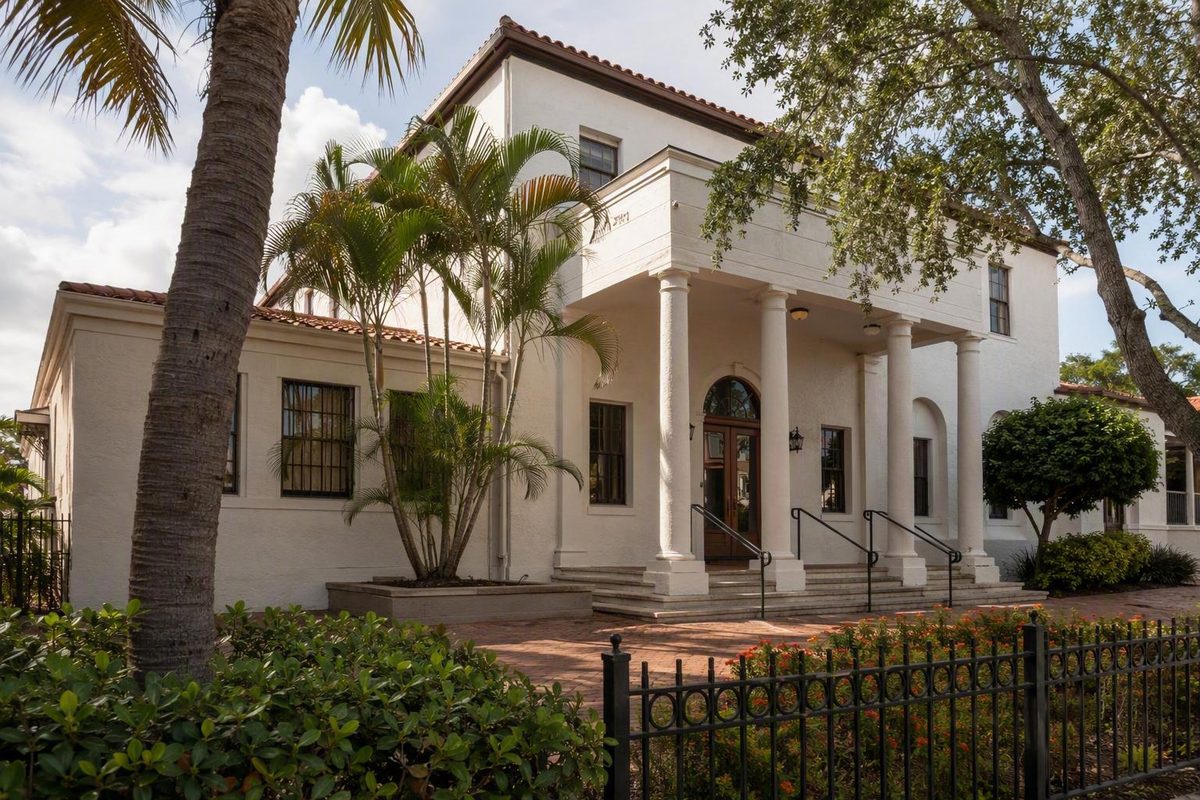
Plan one to two hours, then call before departure to confirm current hours, admission, tours, accessibility, parking, transit and exhibitions.
The City of Miami Historic Negro Black Police Precinct and Courthouse Museum is an Overtown museum focused on Miami’s Black law-enforcement and judicial history, particularly before and during the Civil Rights era. Use 480 NW 11th Street, Miami as the provisional destination, call 305-329-2513 before leaving, and allow roughly one to two hours as a planning estimate rather than an official tour length. Those details appear in Tripadvisor’s museum listing, which lists a Tuesday-through-Saturday schedule of 10:30 a.m.–3:30 p.m. and closure on Sunday and Monday.
Do not treat that schedule as definitive. TicketWeb also lists the street address and phone number but gives a conflicting ZIP code and reports hours of 10 a.m.–4 p.m. Tuesday through Saturday. It says walk-ins are permitted, advance contact is advised to ensure tour availability, and free onsite parking is available—all details to confirm directly before traveling. Review the TicketWeb listing for those reported logistics.
The quick answer: what this museum is and how to plan
This is more than a display of police memorabilia. The museum interprets a building that reportedly combined a segregated police precinct with a municipal courtroom serving Black residents. That dual role makes it a focused place to examine how policing, detention, court proceedings, and civic authority operated in Overtown under segregation.
Because the available listings disagree on several practical details, build the visit around what can be confirmed on the day rather than around one published schedule.
| Detail | What sources report | Confidence | What to verify |
|---|---|---|---|
| Address | Street address above; published ZIP codes conflict | Medium | Full address and current visitor entrance |
| Exact hours | Tuesday–Saturday operation; Sunday–Monday closure; daily times conflict | Low | Opening, closing, and last-admission times |
| Admission | Standard current prices are unclear; promotional tickets may be separate | Low | Price, discounts, and payment methods |
| Tour availability | Walk-ins are reported, but a guide is not guaranteed | Medium | Tour schedule, reservation rules, and fees |
| Accessibility | Current access throughout the historic building is not established | Low | Step-free entry, room access, restrooms, and accommodations |
| Parking | Third-party listings report free onsite parking | Low | Availability, entrance, restrictions, and capacity |
| Transit | Culmer and Historic Overtown/Lyric Theatre appear in travel listings | Medium | Live service and the current walking route |
| Age policies | General-entry and promotional-ticket language differ | Low | Rules for families, children, schools, and discounts |
| Current exhibitions | Several programs have been announced previously | Low | Which exhibitions are open now |
Treat ticketing and event platforms as useful leads, not substitutes for speaking with the museum. A listing may describe the terms of a specific promotion rather than the museum’s standard admission or general age policy.
Why the combined precinct and courthouse matters
The building’s importance lies in its reported dual function as a separate police precinct for Black officers and a municipal courthouse serving Black residents. Bringing those functions together allows the museum to address more than police history alone: the site also reflects how people moved through booking, detention, court proceedings, and municipal authority within a segregated system.
The museum’s historical focus includes Black officers who served Overtown during the 1940s, 1950s, and 1960s. Their service took place within civic structures that employed Black officers while maintaining separate institutions and unequal conditions. The surviving building therefore provides a physical setting for understanding how segregation shaped both law enforcement and municipal justice in Miami.
A commonly reported chronology says Miami appointed its first five Black police officers in 1944, the separate precinct and courthouse opened in 1950, the facility closed following police integration in 1963, and the building became a museum in 2009. The same tourist guide names the officers as Ralph White, John Milledge, Clyde Lee, Edward Kimble, and Moody Hall. Because this chronology and list come from a third-party guide rather than a supplied municipal or archival record, they should be read as reported history rather than independently verified documentation. Read the guide’s historical account.
The central interpretation does not require unsupported claims about the building’s construction cost, architect, or national uniqueness. Its documented subject is significant on its own: Black officers served Overtown while police and court functions for the Black community were administered through a separate facility.
What visitors may see inside
Culture Shock Miami and TicketWeb describe collections that include police memorabilia, historical artifacts, documents, videos, and oral accounts from people connected with the precinct. These materials can help visitors move beyond a list of dates and consider how officers, court personnel, and Overtown residents experienced the institution.
Third-party coverage also reports surviving functional spaces such as a courtroom, booking area, and detention cells. When open, those areas can help explain how different parts of the justice process were concentrated in the same building—from processing and detention to a court appearance. They also give physical context to the documents and personal accounts displayed elsewhere in the museum.
Access to a reported space should not be assumed. Tour routing, exhibition work, building maintenance, or accessibility conditions may affect which rooms visitors can enter. If a particular space is important to you, ask whether the courtroom, booking area, and detention areas will be included on the day of your visit.
It is also useful to separate the building’s historic fabric and core collections from temporary exhibitions. A courtroom or cell may remain part of the site while the interpretation around it changes; conversely, an exhibition announced online may have closed even though its webpage remains available.
Tours and exhibitions: call before building your visit around them
Third-party event and ticket listings say walk-ins are allowed, but they also advise contacting the museum beforehand to ensure that a tour is available. Ask whether a guide will be present at your expected arrival time, whether tours follow a fixed schedule, and whether advance reservations or separate charges apply.
Tripadvisor reviewers have praised the guided interpretation, and some travelers report being guided by retired officers. Those comments describe individual visitor experiences, not a current staffing policy. They do not establish that every tour is led by a retired officer, included with admission, or offered for a fixed length.
The museum’s official website has previously announced programming about Black women in the judiciary, Gary Tyler’s Grief Not Guilty: Reclaiming My Time, and Anything But a Slum: Miami-Overtown Before I-95. Together, those programs show a broader engagement with judicial history, art, civil rights, urban renewal, and Overtown’s development. The announcements do not establish that any of the exhibitions remains open now.
If one exhibition is central to your decision, ask about it by name. That will help staff distinguish a temporary program from the museum’s permanent spaces and collections. The official website also offers a museum-update sign-up, but direct confirmation is still the safer step before traveling.
Getting there without overpromising the route
Use 480 NW 11th Street, Miami as the provisional destination, but confirm the ZIP code and current pedestrian entrance before entering the address into a navigation app. Tripadvisor identifies Culmer station as approximately a seven-minute walk away and Historic Overtown/Lyric Theatre station as approximately a ten-minute walk away. These are platform estimates rather than verified current routes, and they do not establish which station is best for a particular visitor. Check the reported address and station estimates, then use live transit and walking directions on the day.
For a car-free visit, keep the museum within an Overtown or central-Miami cluster rather than adding several distant neighborhoods to the same block of time. Use transit for longer connections and concentrate walking within one part of the city. This avoids turning a focused museum visit into a day dominated by transfers and backtracking.
Drivers should confirm whether the third-party-reported free onsite parking is currently available, where vehicles should enter, and whether time or vehicle restrictions apply. A listing that advertises parking does not guarantee that a space will be available when you arrive.
If you want another indoor attraction elsewhere in the city, the Greater Miami Convention & Visitors Bureau’s overview of Miami museums can help with broader options. Check actual travel times before pairing sites; museums in different parts of Miami should not automatically be treated as one walkable cluster.
A final pre-visit checklist
When calling the museum, verify:
- Today’s opening time, closing time, and last admission
- Current standard admission prices and accepted payment methods
- Whether a guided tour is available at your intended arrival time
- Whether individual visitors need reservations
- Whether groups or schools require advance arrangements
- Which temporary exhibitions are currently open
- Whether the courtroom, booking area, and detention spaces are open
- The expected length of a self-guided visit or guided tour
- Any current rules for photography, bags, or other personal items
Families should ask whether general admission is open to all ages and whether any age restrictions apply only to a promotional ticket. Culture Shock Miami advertises a specialized $5 ticket for visitors ages 13–22, with the option to buy one additional $5 companion ticket for a person of any age. That offer should not be presented as standard admission, a permanent price, or evidence that ordinary museum entry is restricted to visitors 13 and older. Check the Culture Shock Miami offer and confirm its current terms.
Visitors with accessibility requirements should ask about:
- Step-free access at the current visitor entrance
- Access to the courtroom and detention areas
- Accessible restrooms
- Seating or rest points during a tour
- Accommodations for mobility, hearing, visual, or sensory needs
For arrival planning, confirm whether onsite parking is available, which transit station the museum currently recommends, and where pedestrians should enter. Note the date when staff confirm these details, since hours, admission, tours, room access, parking, and exhibitions can change independently.
The museum works best as a focused Overtown destination for understanding how segregation shaped policing and municipal justice in Miami. Allow roughly one to two hours provisionally, call before departure, and finalize the rest of the day only after confirming the museum’s current hours, admission, tour availability, accessibility, parking, transit approach, and exhibitions.