
Best Beaches in Miami: How to Match Each Beach to Your Trip Type
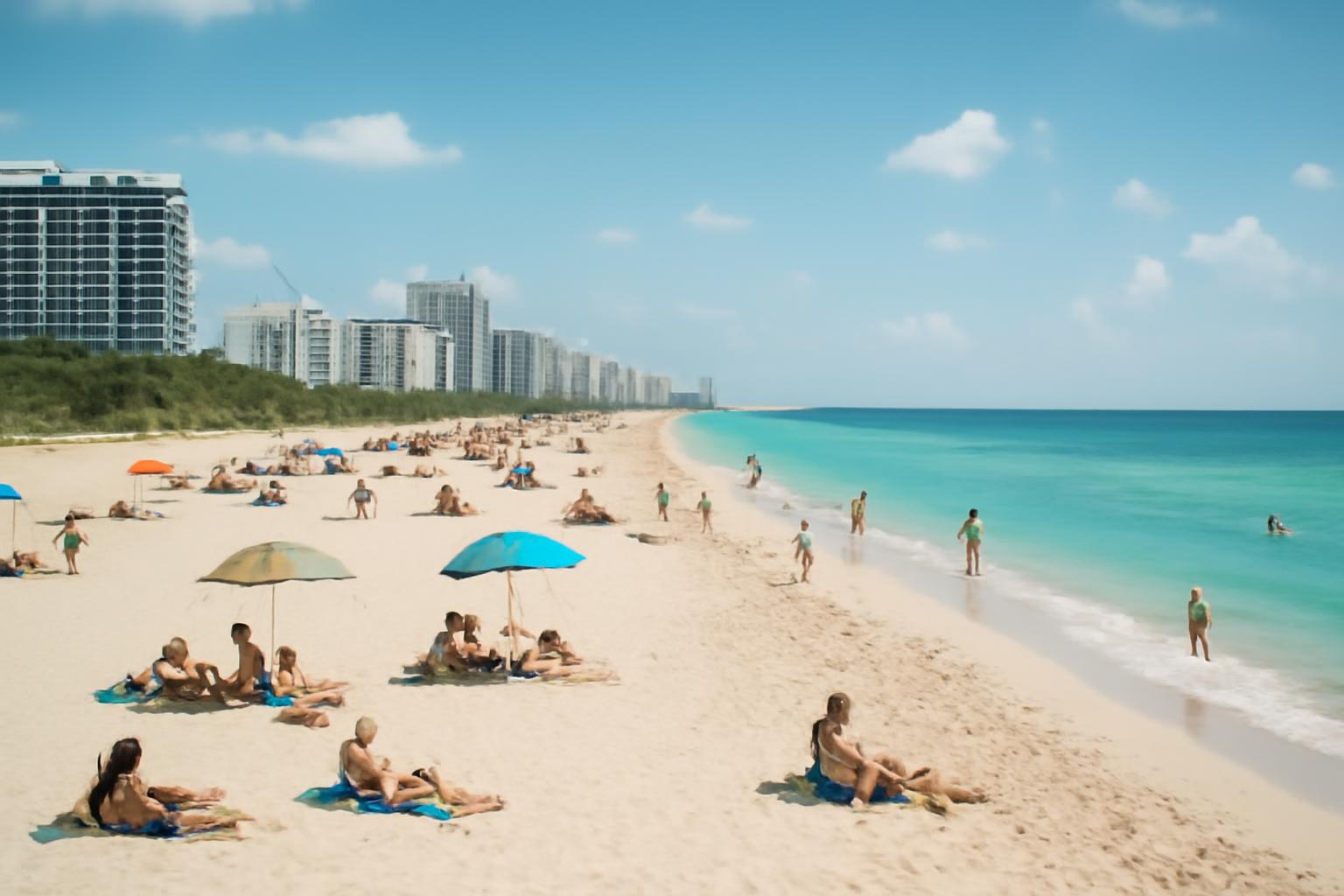
Tripadvisor travelers report the 24th to 26th Street stretch is uncrowded and vendor-free. Families, quiet-seekers and nature lovers get separate picks.
Overview
The best beach in Miami depends on your trip type. South Beach is the famous default, but it is also the busiest, per Miami Culinary Tours’ beach guide. Families do better at Crandon Park or North Beach, quiet-seekers at Sunny Isles or Surfside, and nature lovers on Key Biscayne. This guide matches each option to a specific kind of trip.
Every major roundup, from Condé Nast Traveler to the official Greater Miami tourism site, organizes its picks the same way: by who the beach suits, not by a strict ranking. That is how you should decide too. Below you’ll find an honest look at South Beach block by block, a decision table matching beaches to trip types, profiles of the quiet, clothing-optional, dog-friendly, LGBTQ, and state-park options, and then the practical layer most guides skip: when to go, what the warning flags mean, how to reach the sand without a car, and which costs to verify before you arrive.
South Beach: The Icon, Honestly Assessed
South Beach is the right first stop for most first-time visitors, as long as you know what you’re signing up for. Condé Nast Traveler calls it “synonymous with Miami’s global appeal,” the place “where culture and coastline collide,” and the official Greater Miami tourism site notes it “has been celebrated in film and on television.” A Tripadvisor reviewer sums up the draw: “South Beach is everything you imagine Miami to be, vibrant, stylish, and full of energy.”
The tradeoff is documented just as clearly. Miami Culinary Tours’ guide states plainly that South Beach “is the most famous beach in all of Miami, and this also makes it the busiest.” One Tripadvisor visitor reported the beach “seemed to liven up towards the afternoon, getting a bit noisier and more crowded,” which is worth factoring into your timing.
Don’t write it off as party-only, though. The Greater Miami tourism site describes South Beach as “a family-friendly vacation destination for all ages,” and the surrounding streets put restaurants, hotels, and the Art Deco district within walking distance, so you can build a full day around the sand without any driving. Choose South Beach if you want the classic scene and the energy that comes with it. If crowds are a dealbreaker, either pick your block carefully (next section) or skip ahead to the quiet alternatives.
Which Stretch of South Beach to Choose
The block you pick changes the day more than most visitors expect. South of Fifth Street, known locally as SoFi, is where Condé Nast Traveler says “locals find respite on wide stretches of beach,” away from the tourist throngs. It is the calmest end of South Beach proper, and it sits closest to the mainland causeways if you’re staying downtown.
The central blocks around the 12th Street lifeguard stations carry the classic scene, including the rainbow-flagged LGBTQ stretch that CN Traveler and Tripadvisor reviewers both describe. The stretches in front of the big hotels farther north are generally organized around hotel beach setups, so expect rows of branded loungers rather than open sand.
The escape valve is farther up. Tripadvisor travelers report that “between 24th to 26th Street in Miami Beach is a stretch of sand that rarely gets crowded like South Beach does,” and that the section from 24th Street north is “uncrowded and free of vendors.” If you want South Beach water without the shoulder-to-shoulder scene, walk or take the free trolley north to those blocks and set up there.
Match the Beach to Your Trip
The fastest way to choose is to match the beach to your trip type, because Miami’s beaches differ far more by scene than by sand quality. The table below pulls together the use-case verdicts from Condé Nast Traveler, the Greater Miami tourism site, Tripadvisor reviewers, and Miami Culinary Tours into one lookup.
| Beach | Best for | Vibe | Key caveat |
|---|---|---|---|
| South Beach (5th–14th St) | First-timers, people-watchers | Vibrant, stylish, high energy (Tripadvisor) | Busiest beach in Miami (Miami Culinary Tours); louder by afternoon |
| SoFi / South Pointe | Locals’ pace, downtown-based visitors | Wide, calmer sand at the island’s tip (CN Traveler) | Still South Beach on big weekends |
| 24th–26th Street stretch | Crowd-averse South Beach fans | Uncrowded, vendor-free (Tripadvisor travelers) | Fewer services on the sand |
| North Beach | Families | Less crowded, green spaces, restaurants nearby (Miami Culinary Tours) | Quieter nightlife than South Beach |
| Surfside | Families and couples wanting calm | “A beautiful beach, minus the party feel” (CN Traveler) | Low-key by design; don’t expect a scene |
| Sunny Isles | Quiet-seekers | Residential, condo-lined two-mile stretch (CN Traveler) | Mornings are the practical window |
| Crandon Park (Key Biscayne) | Traditional family beach day | Beaches, trails, and family fun (Greater Miami tourism site) | A drive or transit trip from the beach hotels |
| Bill Baggs Cape Florida | Couples, trail walkers | Romantic lighthouse setting (Miami Culinary Tours) | A state-park trip requiring a drive from the beach hotels; the lighthouse and trails are the draw as much as the sand |
| Haulover Beach Park | Naturists; dog owners at the dog section | Florida’s oldest officially recognized public nude beach (CN Traveler) | Limited facilities; bring your own gear |
| 12th Street Beach | LGBTQ travelers | Rainbow flags by the 12th Street lifeguard stands (CN Traveler) | Central South Beach crowds apply |
| Oleta River State Park | Kayakers and nature lovers | Mangrove paddling to Sandspur Island (CN Traveler) | Raccoons on Sandspur steal belongings |
| Joia, Watson Island | Downtown-based visitors wanting a serviced day | Reservation-only beach club on the mainland side (CN Traveler) | Reservations are essential |
If you’re staying downtown or in Brickell without a car, note the two mainland-friendly anchors in that table: South Pointe at the island’s southern tip, the first sand you reach from the causeway, and Joia on Watson Island, which CN Traveler notes doesn’t require membership but does require reservations. The four sections below go deeper on the specialty picks.
Quiet Beaches Away From the Crowds
If your priority is space and calm, head north of South Beach rather than fighting for a quieter corner of it. Sunny Isles is the most residential option: Condé Nast Traveler describes it as “quiet compared to its neighbors,” a two-mile, Russian-favored stretch “lined mainly with residential condos.” Those towers sit right along the sand, so as a practical matter, plan Sunny Isles as a morning beach and move on after lunch.
Surfside is the pick for people who want a proper beach without any scene at all. CN Traveler calls it “sleek and sophisticated,” a respite from South Beach’s hustle, and recommends it for “families and couples who just want a beautiful beach, minus the party feel.”
North Beach is the strongest all-around family alternative. Miami Culinary Tours notes it’s “often overshadowed by the more flashy South Beach, which means that it is significantly less crowded,” and that it’s “surrounded by lush green spaces and an array of delicious restaurants.” That restaurant density matters for planning: you can base yourself in North Beach, eat well within walking distance, and skip the sand-to-lunch logistics that eat up a South Beach day.
Finally, if you’d rather stay on South Beach’s doorstep, SoFi below Fifth Street gives you the locals’ version of the same coastline, per CN Traveler. Choose it when you want quiet mornings but South Beach dining at night.
Haulover: Miami’s Clothing-Optional Beach
Haulover is the answer to “where is Miami’s nude beach.” Condé Nast Traveler identifies Haulover Naturist Beach as “Florida’s oldest officially recognized public nude beach,” and the Greater Miami tourism site calls it “one of the largest in the U.S.” Be aware that some guides overstate the claim and call it Florida’s only clothing-optional beach; the defensible, source-backed version is oldest officially recognized, not only. Tripadvisor reviewers are blunter: “Haulover is a best beach for nudists.”
Pack accordingly. CN Traveler warns that “given the nature of the undeveloped beach park, anticipate limited facilities within walking distance,” so bring your own chairs, umbrella, water, and snacks rather than counting on rentals and concessions at your towel. Haulover also has a local reputation as a friendlier spot for beginner surfing and bodyboarding than the flatter beaches to the south, though that is reputation rather than a measured claim, so check conditions on the day.
Choose Haulover if the clothing-optional scene is the point of the trip, or as the pairing the tourism board itself suggests for LGBTQ travelers alongside 12th Street Beach. Skip it if you want full-service amenities steps from the sand.
Dog-Friendly Beaches and Their Hours
Two beaches let your dog on the sand, and the hours are specific enough to plan around. Bark Beach in North Beach is the off-leash option: Condé Nast Traveler reports it “welcomes pups every Friday through Sunday from 1:30 to 5:30 PM, between 80th and 81st streets.” Outside that window, the sand is dog-free, so build your beach day around a Friday-to-Sunday afternoon.
The second option is Haulover Dog Beach, which CN Traveler locates “between lifeguard houses two and three” within Haulover Beach Park. The Greater Miami tourism site confirms the broader pattern: dog access across Miami’s beaches runs on designated hours and designated zones, not open access. Verify current hours with Miami-Dade Parks or the City of Miami Beach before you go, since designated windows can change.
12th Street Beach and the LGBTQ Scene
12th Street Beach is Miami’s recognized LGBTQ beach, and it’s easy to find. Condé Nast Traveler describes “a sea of Speedo-clad, sculpted bods at this predominantly gay beach, which is marked by rainbow flags near the 12th Street lifeguard stations.” A Tripadvisor reviewer confirms the on-the-ground picture: “the Pride flags are swaying in the wind alongside the beautiful pastel beach umbrellas.”
The Greater Miami tourism site pairs it with a second stop: “For LGBTQ travelers to Miami, 12th Street Beach and clothing optional Haulover Park Beach are must-visits” is the board’s own framing. Practically, that means a central South Beach day at 12th Street, with Haulover as the clothing-optional companion trip up the coast. Since 12th Street sits in the heart of South Beach, expect central-blocks crowds, and go in the morning if you want space.
Nature and State-Park Beaches
If your ideal beach day includes trails, paddling, or history, point yourself at Key Biscayne, Virginia Key, and Oleta River instead of the barrier-island sand. These are park days with a beach attached, and they suit a different trip than a towel-and-umbrella afternoon.
Bill Baggs Cape Florida State Park, at the southern end of Key Biscayne, is the romantic pick on paper. Miami Culinary Tours writes that “with the Cape Florida lighthouse as your backdrop and views over the Atlantic Ocean, the beach at Bill Baggs Cape Florida State Park has an incredibly romantic setting.” The honest synthesis: go to Bill Baggs for the lighthouse, the trails, and the views, and treat the swim as a bonus rather than the main event. If pure beach quality is your goal, Crandon or the 24th–26th Street stretch will serve you better.
Crandon Park, also on Key Biscayne, is the classic full-service family day. The Greater Miami tourism site invites you to “relax, play and explore at Crandon Park where beaches, trails, golf and family fun await,” and Miami Culinary Tours calls it “a great option for a traditional beach day out” with “more of a quiet, calm atmosphere, tucked away from all the hustle and bustle of the city.” The same guide notes rentals for Jet Skis, boogie boards, and kayaks, so restless kids have options beyond the towel.
Virginia Key, just before Key Biscayne, adds history to the swim. The tourism site groups Virginia Key with Key Biscayne as places “to swim, surf, paddle or even discover local history,” and that history is specific: Historic Virginia Key Beach Park dates to the segregation era, when it was the designated beach for Miami’s Black community, and it’s now preserved as a historic park. Two fee quirks matter here, per Condé Nast Traveler: each park on Virginia Key has its own entrance fee, and access to the Historic park is cash-only. Bring cash.
Oleta River State Park, up in North Miami Beach, is the paddling day. CN Traveler’s suggested route: “kayak under a mangrove canopy to reach Sandspur Island and claim your own small stretch of beach under the palm trees.” The same source adds the warning every kayaker should take literally: “you are not alone, and Sandspur’s raccoons are notorious for stealing things.” Secure your food and bags before you wade in, or expect to lose lunch to the locals.
Luxury Beach Clubs and Hotel Beachfronts
The serviced beach day is its own category: instead of hauling chairs and hunting for restrooms, you pay for a set-up spot with loungers, umbrellas, food and drink service, and facilities a few steps away. Miami Beach’s oceanfront hotels run beach operations along their stretches of sand, concentrated in Mid-Beach and points north through Surfside and Bal Harbour, and Condé Nast Traveler’s Miami beach roundup treats these hotel beachfronts as a distinct way to do the coast.
Choose this route if comfort and service matter more than cost, if you’re celebrating something, or if you’re traveling with someone who won’t enjoy a bring-your-own-everything day. The catch has always been access: most clubs primarily serve hotel guests. That has loosened, and the next section covers the specific ways in.
How to Get In Without Being a Hotel Guest
Yes, you can get a beach club day without booking a room, and Condé Nast Traveler documents three specific routes. Each works differently, so match the route to your plans.
- Tala Beach Experience at the 1 Hotel South Beach. New for 2025, per CN Traveler, non-guests can book a package that includes beach club access with a beach chair and umbrella, valet parking, and a food and beverage credit for Tala Beach.
- Oceanfront Day Villas at the St. Regis. CN Traveler notes you can access the St. Regis’s pool and beach as a non-guest by renting an Oceanfront Day Villa for the day.
- Joia on Watson Island. No membership required, but CN Traveler is explicit that “reservations are essential.” Its Watson Island location also makes it the most convenient club if you’re staying downtown.
One planning caveat applies across the category: popular clubs and first-come beach setups reach capacity, especially on weekends and in high season. Book ahead where reservations exist, and arrive early where they don’t. Prices for these experiences aren’t published in the sources here, so confirm current rates directly with each property before you commit the day.
When to Go
Aim for December through May, and aim for the morning. Miami Culinary Tours states directly that “the best time to visit Miami is between December and May.” The same guide notes that Miami reaches peak temperatures between June and September, but those months coincide with hurricane season, so the hottest beach weather comes bundled with the highest weather risk. If you’re traveling in summer, keep a flexible indoor backup for any given day and watch the forecast rather than locking a beach day weeks out.
Time of day matters almost as much as time of year. A Tripadvisor reviewer at South Beach reported the beach livening up toward the afternoon, “getting a bit noisier and more crowded.” That pattern favors a simple rhythm: sand in the morning, lunch and shade midday, and either a return in the late afternoon or a pivot to the pool, a museum, or a neighborhood walk. Mornings are doubly valuable at Sunny Isles, where the condo towers sit close to the sand, and at capacity-limited beach clubs.
One expectation-setter: the tourism marketing leans on warm turquoise water, but a Tripadvisor traveler notes the ocean can feel cold even on hot days. Seasonal water-temperature data isn’t covered in the sources here, so treat “warm water” as a maybe, not a promise, especially in winter and spring.
Swimming Safety: Flags, Lifeguards, and Rip Currents
The short answer: swim at guarded beaches, learn the flag system, and know what a rip current looks like. This is the layer most beach roundups skip entirely, and it’s the one that changes outcomes.
Florida uses a statewide warning flag program. Per the Florida Department of Environmental Protection, the program uses flags in four colors, accompanied by interpretive signs along the beach that explain each color’s meaning. One important nuance from FDEP: the flags provide general warnings about overall surf conditions and do not specifically advise of rip currents. The National Weather Service in Miami is more direct about the highest level: if you see a red flag at or near the lifeguard stand, strong and dangerous currents are present and you should not enter the water.
Lifeguards are your single best safeguard. The NWS Miami rip current guide states that swimming within clear sight of a lifeguard sharply reduces the chances of drowning, and that the vast majority of rip current drownings happen at unguarded beaches. A rip current, per the same NWS source, is a narrow but strong channel of water, usually 10 to 30 yards wide, flowing away from shore, strong enough to sweep even the strongest swimmer past the sand bar. Clues include a gap of darker, calmer-looking water between breaking waves, churning choppy water, a color difference, or a line of foam or debris moving seaward.
If you’re caught in one, NWS Miami’s guidance is:
- Don’t panic, and don’t fight the current head-on.
- Swim or wade sideways, parallel to the shoreline or toward breaking waves, until you’re free of the current.
- Alternatively, float with the current a short distance past the breakers, then swim back to shore outside it.
- To help someone else, get a lifeguard; if none is present, call 911 and throw the person something that floats. Never go in after them without a flotation device.
Before any beach day, check conditions. NWS Miami issues daily surf and beach forecasts with a rip current threat rated slight, moderate, or high, posted at weather.gov/miami. A two-minute check the morning of your beach day is the cheapest safety measure available.
Getting to the Beach Without a Car
You don’t need a rental car for a Miami Beach day, and skipping one also skips the parking problem entirely. A Lincoln Road area guide documents three car-free options on the island:
- Swoop. A free shuttle service that runs around South Beach in six-passenger electric golf carts. Per the guide, you call or text your location and a cart arrives within about 15 minutes, daily from noon to 2 a.m.
- The free trolley network. The City of Miami Beach’s free South Beach Loop runs every 10 to 15 minutes, and the citywide trolley network connects South Beach to North Beach with as little as one transfer, per the same guide.
- CitiBike. Miami Beach’s official bike share, with roughly 1,000 bikes at more than 100 stations across the island, available 24 hours a day year-round, per the guide.
That one-transfer trolley connection enables the best two-beach day in this article at zero transport cost: South Beach in the morning for the icon, then the trolley north to the quieter North Beach sand for the afternoon. One honesty note: the source guide is from 2018, so confirm current routes, hours, and Swoop’s service status on the City of Miami Beach’s official pages before you rely on any single option. For Key Biscayne, Virginia Key, and Oleta, transit coverage is thinner, and ride-share is the realistic car-free fallback; those specifics aren’t covered in the sources here.
Fees, Parking, and Rentals: What to Budget
The basic split: Miami Beach’s public sand is free to walk onto, while the park beaches charge entrance fees. The only fee structure documented in the sources here is Virginia Key’s, where Condé Nast Traveler notes each park has its own entrance fee and the Historic park is cash-only. Crandon Park, Bill Baggs, Oleta River, and Haulover also operate as fee-charging parks, but their current rates aren’t stated in the evidence for this guide, so check Miami-Dade Parks and Florida State Parks pages for exact amounts before you go. The Greater Miami tourism site’s own “Plan a Beach Day On A Budget” framing confirms costs vary enough to plan around.
Parking is the other variable. It’s paid nearly everywhere near the beaches, rates vary by lot and municipality, and no reliable per-beach rates appear in the sources here, so verify on official City of Miami Beach and Miami-Dade parking pages. The stronger move is avoiding the line item entirely with the free trolleys, Swoop, or CitiBike covered above.
On rentals and amenities: Miami Culinary Tours confirms Jet Ski, boogie board, and kayak rentals at Crandon Park and describes the widest activity range (volleyball, surfing) at the main beaches, but no rental prices are published in the sources for this guide. Confirm prices with operators on-site or by phone. The one hard amenity caveat worth repeating comes from CN Traveler: Haulover’s beach park has limited facilities within walking distance, so budget for bringing your own gear rather than renting there.
Frequently Asked Questions
Which Miami beaches are wheelchair accessible or offer beach wheelchairs or mats?
The sources reviewed for this guide don’t include an authoritative accessibility comparison across Miami’s beaches, so any beach-by-beach claim here would be guesswork. Confirm beach wheelchair availability, mobility mats, and accessible restrooms directly with the operator of the beach you’re considering: Miami-Dade Parks for Crandon, Haulover, and county beaches, Florida State Parks for Bill Baggs and Oleta, and the City of Miami Beach for the public sand from South Pointe to North Beach. Ask specifically about beach wheelchair reservations, since equipment is often limited.
When is sargassum (seaweed) season in Miami, and which beaches are most affected?
None of the sources behind this guide cover sargassum seasonality or which beaches collect the most of it, so this guide won’t invent a seasonal pattern. The practical workaround: check conditions shortly before your beach day. The National Weather Service in Miami publishes daily beach and surf forecasts at weather.gov/miami, and local park operators post current beach conditions. If one beach is having a rough seaweed day, the quiet alternatives in this guide give you ready backups a short trolley ride apart.