
Plan Miami by Neighborhood, Not by an Endless Attraction List
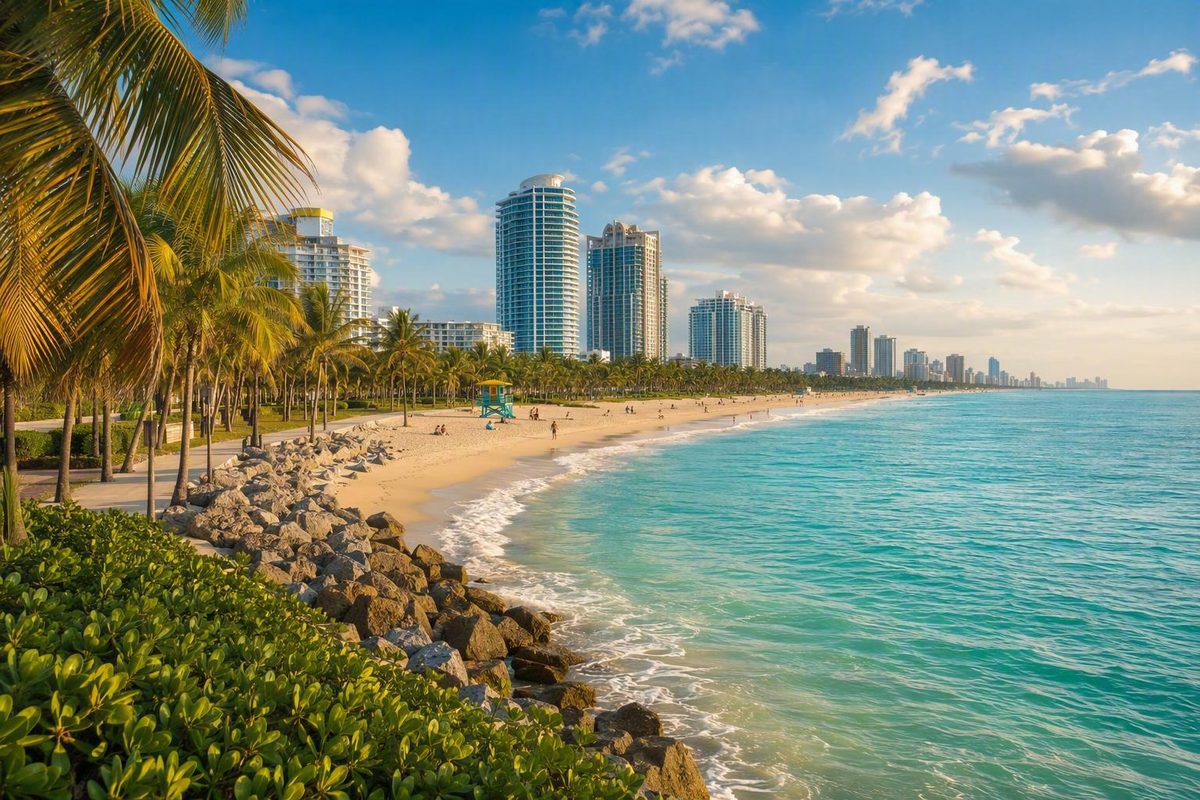
With two days, separate Miami Beach from the mainland. Build a clustered plan for beaches, Cuban food, street art, museums or nature.
Plan Miami by neighborhood, not by an endless attraction list.
Start Here: Choose the Miami Experience That Fits Your Trip
The useful question is not “What is all the stuff to do in Miami?” It is “Which version of Miami fits this trip?” Beaches, Cuban food, street art, museums, nightlife, and national parks all belong on the menu, but they are spread across a large metro area. Trying to sample everything in one day usually produces more transfers than experiences.
For a first visit, start with this shortlist:
- South Beach and the Art Deco District for sand, recognizable architecture, Ocean Drive, and a waterfront walk.
- Little Havana for Cuban coffee, a Cubano, bakeries, murals, cigar shops, Domino Park, and scheduled music or dancing.
- Wynwood for murals, galleries, food, drinks, and a casual evening.
- One major cultural attraction, such as Pérez Art Museum Miami, Frost Science, Vizcaya Museum & Gardens, or another museum that matches your interests.
- An Everglades or Biscayne outing only if you can give nature a dedicated block rather than forcing it between urban neighborhoods.
These are editorial priorities, not objective rankings. They rise to the top because they provide distinct experiences and can be organized into practical geographic clusters. A visitor interested in historic houses may value Vizcaya more than South Beach; a family may prioritize Frost Science or Zoo Miami; a repeat visitor may skip the headline sights entirely.
One geographic distinction prevents many planning mistakes: Miami Beach is a separate barrier-island municipality, not a mainland Miami neighborhood. Bridges connect it to the mainland, but South Beach, Wynwood, Little Havana, Brickell, and the Everglades are not one walkable sightseeing area. An independent travel account explains the distinction in its first-time Miami guide.
Choose your anchor by primary interest:
| If your priority is… | Start with… | Add only if time allows |
|---|---|---|
| Beach and architecture | South Beach and the Art Deco District | Lincoln Road and South Pointe Park |
| Cuban food and music | Calle Ocho in Little Havana | A guided tasting or confirmed evening program |
| Street art | Wynwood | Design District architecture or an evening venue |
| Museums and history | Downtown museums or Vizcaya | Brickell, Coconut Grove, or a nearby park |
| Family activities | Frost Science, Zoo Miami, or a park-oriented beach | One simple meal or play stop nearby |
| Nightlife | South Beach, Wynwood, Brickell, Downtown, or Little Havana | Dinner in the same district |
| Nature | Everglades, Biscayne, Key Biscayne, or Oleta River | Nothing cross-city afterward |
Use a firm pacing rule: with one day, choose one principal zone and no more than one deliberate side trip. With two days, separate Miami Beach from the mainland. With three days, add nature, gardens, or a major family attraction. This is not an argument for doing less; it is a way to spend more time experiencing places and less time crossing between them.
Quick picks for common traveler types:
- First timer: South Beach, Art Deco, Little Havana, and either Wynwood or one museum.
- Non-partier: Art Deco architecture, Vizcaya, PAMM, Coconut Grove, parks, and food.
- Family: an early park or beach block followed by Frost Science, Zoo Miami, or another indoor anchor.
- Budget traveler: self-guided architecture or murals, a public park, a waterfront walk, and one paid meal or attraction.
- Art lover: Wynwood plus PAMM, ICA Miami, or the Design District.
- Food-focused visitor: Little Havana, followed by a carefully selected mainland dinner rather than a long attraction circuit.
- Traveler without a car: base the day in South Beach or the Downtown–Brickell core and use targeted transit or rideshare links.
Admission rules, opening hours, transit service, event dates, free programs, reservations, age restrictions, and tour availability can change. Confirm them with the venue, operator, transit agency, or park before departure.
Miami Beach: Combine Sand, Art Deco, and a Waterfront Walk
Miami Beach works unusually well as a self-contained visitor day because the beach, Art Deco architecture, Ocean Drive, Collins Avenue, Lincoln Road, and waterfront routes can be combined without repeatedly returning to a vehicle. That does not mean every point is equally close or comfortable to walk in every kind of weather. It means the day has a coherent geographic center.
South Beach is the lively, recognizable choice: sand, colorful lifeguard stands, Art Deco façades, restaurants, shopping, and nightlife occupy the same broad visitor district. Its energy is the attraction for some travelers and the drawback for others. If you prefer a lower-key beach day, choose another beach rather than expecting South Beach to become quiet.
Begin early with a beach block. This leaves more time for architecture and gives you flexibility if the weather changes. You do not need to rent a chair or make the beach an all-day commitment; an hour or two can provide the South Beach experience while preserving time for walking and meals.
Next, explore the Art Deco District independently along Ocean Drive, Collins Avenue, and Washington Avenue.
If you want historical and architectural interpretation, visit the Art Deco Visitor Center or consider an organized walking tour. A guided experience adds context; self-guiding saves money and lets you stop for photographs, coffee, or shade whenever you like.
Use Lincoln Road as a flexible middle-of-day stop. The pedestrian promenade can function as a meal break, a shopping stop, or simply a place to reduce your pace during heat or intermittent rain. Its itinerary value is that it fits naturally into a Miami Beach day without requiring a cross-bay transfer.
Later, walk or cycle part of the Miami Beach waterfront route. Bicycle rentals are available in the area, but cycling is not automatically suitable for every visitor. Heat, rain, traffic, temporary route conditions, group confidence, and cycling experience all matter. A short ride on a comfortable section may be more enjoyable than treating the entire route as an endurance target.
Finish around South Pointe Park if energy and weather permit. It provides a low-cost change of scene from the commercial core, with waterfront views, shoreline and pier access, a connection to the Beachwalk, public amenities, and family-oriented space.
A flexible sequence looks like this:
- Early beach time.
- Ocean Drive and a self-guided or guided Art Deco walk.
- Lunch or a break near Lincoln Road.
- A waterfront walk or manageable bike ride.
- South Pointe Park near the end of the day.
- Dinner near the hotel or elsewhere in Miami Beach.
This order is deliberately not tied to fixed times. A long beach morning may shorten the architecture walk; rain may move lunch earlier; a design-focused traveler may spend little time shopping. The important part is preserving the cluster.
Do not treat Wynwood or Little Havana as a casual continuation of this walk. Reaching either requires an intentional transfer. If Miami Beach is your one-day anchor, enjoy the island rather than turning the afternoon into a race across the metro area.
Little Havana and Wynwood: Food, Murals, Music, and Two Different Cultural Stops
Treat each as a focused outing. You can visit both in one day, but doing so requires a transfer and a disciplined number of stops.
In Little Havana, center the visit on Calle Ocho and build around food and street-level observation. Have Cuban coffee, share or order a Cubano, visit a bakery, look at murals and monuments, browse cigar shops if interested, and pause at Domino Park. Do not turn the neighborhood into a checklist where every café, souvenir shop, and photographed corner becomes mandatory.
A guided food tour can be useful when you want multiple tastings, an organized route, and commentary without researching each stop. The tradeoff is cost and reduced flexibility. A self-guided visit lets you choose one bakery, one sandwich or meal, and one or two cultural stops instead of eating on a tour schedule.
Opinions about Little Havana vary. Some visitors treat it as a trip highlight; others find the most visited part of Calle Ocho overly tourism-oriented. Neither judgment settles what the neighborhood will mean to you. What visitors can reasonably seek is a concentrated experience involving Cuban food, coffee, murals, cigar businesses, Domino Park, and—when genuinely scheduled—music or dancing. “Authentic” is too subjective to promise, while “tourist trap” is too reductive to describe an entire community.
A simple Little Havana plan is:
- Coffee or a bakery stop.
- A slow Calle Ocho walk.
- Domino Park and nearby murals.
- One substantial meal rather than continuous snacking.
- An easy dinner nearby, or a return to your hotel district.
In Wynwood, the organizing idea is visual art. Start with Wynwood Walls if it fits your budget and interests, then walk selected surrounding streets for murals, galleries, shops, cafés, and bars. The neighborhood is compact enough for a focused route, although “compact” should not be read as a promise of shade or effortless walking in severe heat.
Street art changes. Murals are repainted, businesses open and close, construction alters walking routes, and the atmosphere can differ by hour. Treat a saved image or old map as a starting point, not a guarantee that a particular work remains in place.
The adjacent Miami Design District can extend an art-focused day with architecture, design, and shopping. It is optional, not another compulsory attraction. Add it when design is a primary interest; skip it if you would rather spend more time with Wynwood murals or move into the evening slowly.
A focused Wynwood sequence might be:
- Wynwood Walls or a selected mural route.
- One or two galleries or design stops.
- A late lunch or early dinner.
- Drinks, comedy, music, or another evening venue if current programming appeals.
If you combine Little Havana and Wynwood, keep the structure simple: Little Havana for coffee, food, and a short cultural walk; Wynwood for murals, dinner, and the evening. Avoid adding Downtown, Brickell, and South Beach to the same day.
Recurring programs require date-specific confirmation. Do not assume a Wynwood Art Walk, Viernes Culturales, a dance night, or a particular live-music performance will happen during your stay. Schedules, locations, admission policies, and venue status can change.
Downtown, Brickell, Coconut Grove, and Coral Gables: Museums, History, and Urban Walks
Sort these mainland areas by purpose rather than treating them as interchangeable pins on a map:
- Downtown: museums, bayfront space, and urban attractions.
- Brickell: a convenient urban base, dining, skyline views, and waterfront walking.
- Coconut Grove: a slower neighborhood with marina and waterfront character.
- Coral Gables: architecture, Miracle Mile, dining, and Venetian Pool.
- Vizcaya area: a historic mansion-and-gardens visit that can connect toward Coconut Grove.
For modern and contemporary art, choose Pérez Art Museum Miami, usually shortened to PAMM. It pairs naturally with Maurice A. Ferré Park and its outdoor sculpture areas. This combination works because the museum can anchor the day while the park provides an optional outdoor interval rather than requiring a second district.
For science and a family-oriented indoor block, choose the Phillip and Patricia Frost Museum of Science. Reported features include a planetarium and a multilevel aquarium, making it a substantial indoor alternative when a beach or extended walk is impractical.
For history, interiors, and formal gardens, choose Vizcaya Museum & Gardens. Its mansion-and-gardens setting near Biscayne Bay provides a different experience from Miami’s contemporary districts. Avoid building a plan around an old ticket price or assuming every part of the property will remain accessible in poor weather. Verify admission, closures, and reservation procedures directly.
In Brickell, the experience is less about one mandatory monument and more about urban atmosphere. Walk selected streets for architecture, dining, and skyline views, or continue around Brickell Key if conditions and personal mobility make that appealing. Because this is an exposed outdoor activity, shorten it during intense heat, thunderstorms, or heavy rain.
Coconut Grove suits visitors who want a slower pace. Combine a neighborhood walk, waterfront or marina atmosphere, and a meal with The Barnacle Historic State Park if its current opening schedule aligns with your visit. Do not assume the house and grounds share identical operating times.
Coral Gables can become an architecture-and-dining outing, a Miracle Mile stop, or a pool-focused half-day. Venetian Pool is the distinctive swim option, but seasonal schedules and admission or child-entry rules can change. Confirm whether it is open, whether advance arrangements are needed, and whether every member of the group satisfies current requirements.
Downtown and Brickell are reported to be connected by the free Metromover, while Metrorail’s Orange Line links Miami International Airport with the urban rail network. Check official schedules, route maps, outages, and accessibility information before relying on either connection (Miami transportation overview).
For a wet-weather day, choose one strong indoor anchor rather than hoping gardens and long outdoor walks remain pleasant. PAMM, Frost Science, ICA Miami, HistoryMiami Museum, or another verified museum can carry several hours. Keep the meal nearby and use only brief outdoor windows if conditions improve.
Choose a Beach, Water Activity, or Nature Day
Miami’s beaches and nature sites serve different purposes. Choose by atmosphere, facilities, access effort, and the amount of time you can commit.
| Outdoor choice | Best fit | Main planning issue |
|---|---|---|
| South Beach | Lively beach day with nearby architecture and dining | Crowds, heat, and an energetic setting |
| Crandon Park | Park-oriented family outing | Access, parking, and current facility availability |
| Bill Baggs Cape Florida State Park | Beach, trails, cycling, and lighthouse area | Travel to Key Biscayne and current park rules |
| Surfside | Comparatively lower-key beach-town setting | Fewer headline sights in the immediate outing |
| Haulover Beach | Visitors who understand its different sections | The northern end includes a designated clothing-optional area |
| Oleta River State Park | Paddling and park activities | Equipment, water conditions, and operator availability |
| Biscayne National Park | Marine and coastal exploration | Many meaningful experiences require boat access |
| Everglades National Park | Dedicated nature excursion | Travel, entrance choice, weather, and tour format |
Crandon Park is a useful alternative when a family wants more of a park day than a South Beach scene. Reported facilities include beach access, a playground, picnic areas, concessions, parking, hiking, and snorkeling opportunities. The same family guide describes Bill Baggs Cape Florida State Park as supporting swimming, hiking, kayaking, and cycling, but current access and services should be confirmed before departure (Miami family activity guidance).
Bill Baggs Cape Florida State Park is a stronger choice when the park setting matters as much as the sand. Families interested in the lighthouse should confirm current tour access and climbing restrictions directly rather than relying on an older guide.
Surfside is a candidate for travelers who prefer a comparatively restrained beach-town outing over South Beach’s density. It is not universally quiet or inherently better; it simply offers a different atmosphere.
At Haulover Beach, visitors should know in advance that the northern end has a designated clothing-optional section. Choose the appropriate part of the beach for your group and confirm current official rules and access information before visiting (Miami beach and activity guide).
Paddling is promoted at Oleta River State Park, Deering Estate, and Crandon Park. Availability should not be assumed. Equipment rental, guided access, launch rules, tides, wind, storms, and water conditions can alter the plan.
Biscayne National Park is not an ordinary beach add-on. It primarily protects marine and coastal environments, so many meaningful experiences involve a boat or paid excursion rather than a simple drive-up beach visit. A broad destination guide notes that most of the park is underwater and presents boat access as central to exploring it (Miami outdoor activities overview). If you do not want to arrange water access, confirm that the land-based experience available on your date will satisfy your expectations.
Treat the Everglades as a dedicated half- or full-day commitment. Travel time varies with your starting point, selected entrance, traffic, and whether you drive independently or join a tour. Do not plan around a universal transfer time or guaranteed alligator, bird, or other wildlife sightings.
A self-guided approach usually works well for local beaches and waterfront parks because you control the pace. An organized operator may be more practical for some Biscayne and Everglades experiences because transportation, boat access, or route interpretation can be bundled. Tours reduce logistical work but introduce fixed timing, cost, cancellation terms, and less flexibility.
Before any outdoor or water day, consult official weather, park, water-condition, and operator information. Account for sun, heat, thunderstorms, and changing water conditions. An evergreen activity guide can help shape an itinerary, but it cannot function as a live advisory.
Free, Family-Friendly, and Indoor Options
“Free things to do in Miami” includes two different categories: public places that generally require no attraction ticket and scheduled programs that are free only under specific conditions.
Common low-cost choices include self-guided Art Deco and Wynwood walks, Lincoln Road, South Pointe Park, public art, The Underline, and waterfront routes. Destination guidance describes several of these as free activities, but transportation, parking, food, rentals, and ticketed sections can still add costs (free Miami activities guide).
The Metromover is another reported no-fare option when a day is already centered on Downtown and Brickell. Its value is geographic rather than universal: it does not turn distant neighborhoods into one walkable cluster, and current service still needs to be checked (Miami car-free transportation guide).
Conditional programs require more caution. A museum, concert, dance class, yoga session, garden, or family event may be complimentary only on a particular weekday, once a month, with registration, for certain group sizes, or under another restriction. Never assume a historical free-entry program still operates. Verify the date, eligibility, registration requirements, and capacity directly.
For families, choose by experience type:
- Animals: Zoo Miami.
- Indoor science: Frost Science.
- Outdoor play: Crandon Park or South Pointe Park.
- Distinctive swimming: Venetian Pool, if current rules fit the children.
- Nature: a carefully selected Everglades experience.
- Beach plus city: a short South Beach block followed by a nearby meal or indoor activity.
Published restrictions illustrate why confirmation matters. A state tourism guide reported a 42-inch minimum height for children climbing the Cape Florida Lighthouse, minimum age and height rules at Venetian Pool, and a minimum age for children using Thriller Miami Speedboat Adventures. These are historical examples, not evergreen rules; families must verify current eligibility directly with each attraction or operator (reported Miami child restrictions).
For rain or extreme heat, use Frost Science, PAMM, ICA Miami, HistoryMiami Museum, or another confirmed indoor venue. Do not assume every museum is always free. Admission can depend on age, residence, membership, registration, or a designated program.
A practical family day minimizes transitions:
- Begin with an outdoor stop while everyone has energy.
- Eat lunch in the same cluster.
- Build in rest instead of treating the meal as a rushed transfer.
- Use a museum or another indoor attraction as the afternoon anchor.
- Keep dinner simple and close to the hotel.
A budget day can use the same logic:
- Walk Art Deco streets or Wynwood murals independently.
- Add a public park, waterfront route, or public-art area.
- Use Metromover if the day is already in Downtown and Brickell.
- Pay for one food, museum, or cultural experience that materially improves the day.
Visitors with stroller, wheelchair, sensory, or other mobility requirements should not infer comprehensive accessibility from broad descriptions such as “walkable” or “family-friendly.” Route surfaces, elevators, beach access, seating, restrooms, sensory conditions, and vehicle accommodation vary. Verify specific needs directly with venues and transportation providers.
After Dark and When the Weather Changes
Choose Miami nightlife by atmosphere, not by the longest venue list:
- South Beach: club-focused nights and Ocean Drive entertainment.
- Wynwood: casual patios, warehouse-style spaces, art, food, and drinks.
- Brickell: rooftops, polished cocktail settings, and dinner-led evenings.
- Downtown: clubs, live music, and urban entertainment.
- Little Havana: Cuban cultural settings, Latin music, and dancing.
Named venues in travel guides are examples, not permanent recommendations. Venue status, opening hours, minimum ages, cover charges, dress codes, reservation policies, and event schedules can all change. Hilton’s nightlife overview by neighborhood illustrates the broad differences among these districts, but every operational detail still requires direct verification.
A Miami evening does not have to involve a club. Alternatives include a sunset cruise, waterfront walk, dinner near your hotel, comedy, live music, or an evening food tour when available. A slower dinner can be a better conclusion than adding another district simply because the night is young.
Keep the final activity near your hotel or within the district where you had dinner. This reduces the need for a late cross-city transfer when transit frequency may be lower or rides become less convenient. Decide how you will return before the evening begins.
For rain, use a modular structure:
- Breakfast close to the hotel.
- One museum, gallery, or other indoor anchor.
- Lunch in the same district or one easy transfer away.
- A brief outdoor walk only if conditions improve.
- Dinner somewhere uncomplicated to reach.
Miami Finder publishes a flexible rainy-day planning guide built around indoor anchors, compact neighborhood moves, and short outdoor windows. Use that structure to rearrange the day rather than repeatedly waiting for an exposed attraction to become practical.
For extreme heat, move Art Deco walks, mural routes, waterfront paths, and park time to the earlier or later parts of the day. Use museums, cafés, galleries, shopping areas, and longer meals as midday breaks. This is not wasted time; it is pacing that allows the rest of the day to remain enjoyable.
December through May is commonly described as a relatively drier visitor period, but it is also a busier season (VISIT FLORIDA’s seasonal overview). June through November is identified as hurricane season, making flexible indoor alternatives and live weather checks especially important (Miami planning guide). Always use official forecasts and advisories for your actual travel dates.
Realistic One-, Two-, and Three-Day Miami Plans
These itineraries are frameworks, not schedules to execute minute by minute. Meals, weather, children, opening hours, and transportation can all change the pace.
One day: Miami Beach
- Start with an early South Beach block.
- Walk part of Ocean Drive and the Art Deco District.
- Stop for lunch near Lincoln Road.
- Walk or cycle a manageable part of the waterfront route.
- Finish at South Pointe Park.
- Eat dinner nearby rather than transferring to the mainland solely to add another famous neighborhood.
This is the strongest one-day framework when beach and architecture are the priorities.
One day: mainland alternative
- Begin in Little Havana with coffee, a bakery, Calle Ocho, and an early meal.
- Choose one afternoon or evening direction:
- Wynwood for murals, food, and casual nightlife; or
- Downtown for PAMM, Frost Science, or another museum.
- Have dinner in the final district or close to your hotel.
Do not add South Beach unless it is a deliberate, limited side trip and you understand what you are dropping.
Two days
Day 1: Miami Beach
Follow the beach, Art Deco, Lincoln Road, waterfront, and South Pointe Park cluster.
Day 2: mainland Miami
Choose one of these combinations:
- Little Havana plus Wynwood for food, neighborhood culture, murals, and an evening venue.
- Downtown plus Brickell for museums, bayfront space, urban walking, and dinner.
- Vizcaya plus Coconut Grove for a historic estate, gardens, and a slower neighborhood.
- Coral Gables plus Coconut Grove for architecture, Miracle Mile, dining, and an optional pool visit if current rules and schedules work.
These are alternatives, not pieces of one marathon route.
Three days
Use the two-day urban structure, then give Day 3 a clear identity:
- An Everglades excursion.
- A Biscayne Bay or Biscayne National Park experience.
- A Key Biscayne beach-and-park day.
- Fairchild Tropical Botanic Garden or another garden.
- Zoo Miami or another major family attraction.
- A slower museum-and-food day if nature transportation is impractical.
On rainy or severely hot days, substitute PAMM, Frost Science, ICA Miami, HistoryMiami Museum, or another confirmed indoor venue for exposed walking. If a remote nature day becomes difficult to reach, replace it with a local park and museum rather than spending the day forcing transfers.
A car-free strategy can work when the itinerary respects geography:
- Walk within compact districts.
- Use Metromover around Downtown and Brickell.
- Consider Metrorail, buses, and trolleys where the route is suitable.
- Use short rideshares to fill awkward gaps.
- Avoid repeatedly switching between Miami Beach and the mainland.
Metrorail’s Orange Line has been reported to connect Miami International Airport with the urban rail network, but current schedules, stations, service changes, and accessibility information should be confirmed officially. Miami Finder’s guide to exploring Miami without renting a car uses the same base-first, neighborhood-cluster approach.
A car or organized tour becomes more useful for remote parks, some Everglades plans, and itineraries containing destinations outside the central visitor districts. Driving introduces its own tradeoffs: parking, tolls, bridge routes, traffic, and the need to return to the vehicle. Transit is not automatically superior, and driving is not automatically easier. Match the mode to the day.
Before leaving, run through this checklist:
- Choose a base that supports the trip’s main interest.
- Give each day one anchor experience.
- Limit cross-city transfers.
- Identify an indoor backup.
- Verify admission, age rules, reservations, and event dates.
- Check official weather, park, water, and transportation information.
- Decide how the evening return will work.
- Leave room for a slower meal, a waterfront pause, or an unexpectedly interesting street.
Frequently Asked Questions
What are the highest-priority things to do in Miami for a first visit?
For most first-time visitors, a balanced shortlist is South Beach and the Art Deco District, Calle Ocho in Little Havana, Wynwood murals, and one major attraction such as PAMM, Frost Science, or Vizcaya.
Treat these as editorial priorities based on variety and geographic clustering, not universal rankings. Add the Everglades or Biscayne only when you have enough time to make nature a dedicated outing.
Can you explore Miami without renting a car?
Yes, if you choose an appropriate base and group activities by neighborhood. Walk within South Beach, Wynwood, Little Havana, Downtown, or Brickell rather than attempting to walk between all of them. Use transit for suitable links and short rideshares for awkward gaps.
A car or organized tour may be more practical for the Everglades, remote parks, or a schedule with several outlying destinations. Check current transit routes, operating times, and accessibility information before relying on a connection.
What are some genuinely free or inexpensive things to do in Miami?
Current low-cost candidates include self-guided Art Deco and Wynwood walks, Lincoln Road, South Pointe Park, The Underline, waterfront routes, and public-art areas. The destination’s free-activities guide is a useful starting point, but each program’s current conditions should be checked.
Museum days, concerts, yoga, dance programs, and family events may be complimentary only on specified dates or with registration. Also budget for indirect expenses such as transportation, parking, food, and rentals.
What should you do in Miami when it rains?
Choose one indoor anchor—such as PAMM, Frost Science, ICA Miami, HistoryMiami Museum, or another verified venue—and keep lunch and dinner nearby. If conditions improve, use the break for a short local walk rather than restarting an ambitious outdoor route.
A practical structure is breakfast near the hotel, a museum or gallery, lunch in the same district, a brief outdoor window, and an easy dinner.
Is the Everglades worth adding to a short Miami trip?
It can be, especially when ecosystems and wildlife are a higher priority than another urban neighborhood. But the Everglades deserves a dedicated half or full day. Travel time varies by starting point, entrance, traffic, and tour format, and wildlife sightings cannot be guaranteed.
With only one day in Miami, the Everglades will usually displace the beach or mainland culture rather than fit neatly beside both. With three days, it becomes easier to justify. If transportation or weather makes the excursion impractical, choose a local park, garden, or museum instead.
Choose one anchor experience for each day, then build outward only within a nearby cluster. A satisfying trip does not require checking off every famous attraction: one coherent Miami Beach day, one focused mainland culture day, and an optional nature day form a realistic plan. Keep an indoor backup, verify volatile details directly, and leave room for meals, waterfront time, and unexpected discoveries.