
How to Plan a Waterfront Day Around Key West’s Working Harbor
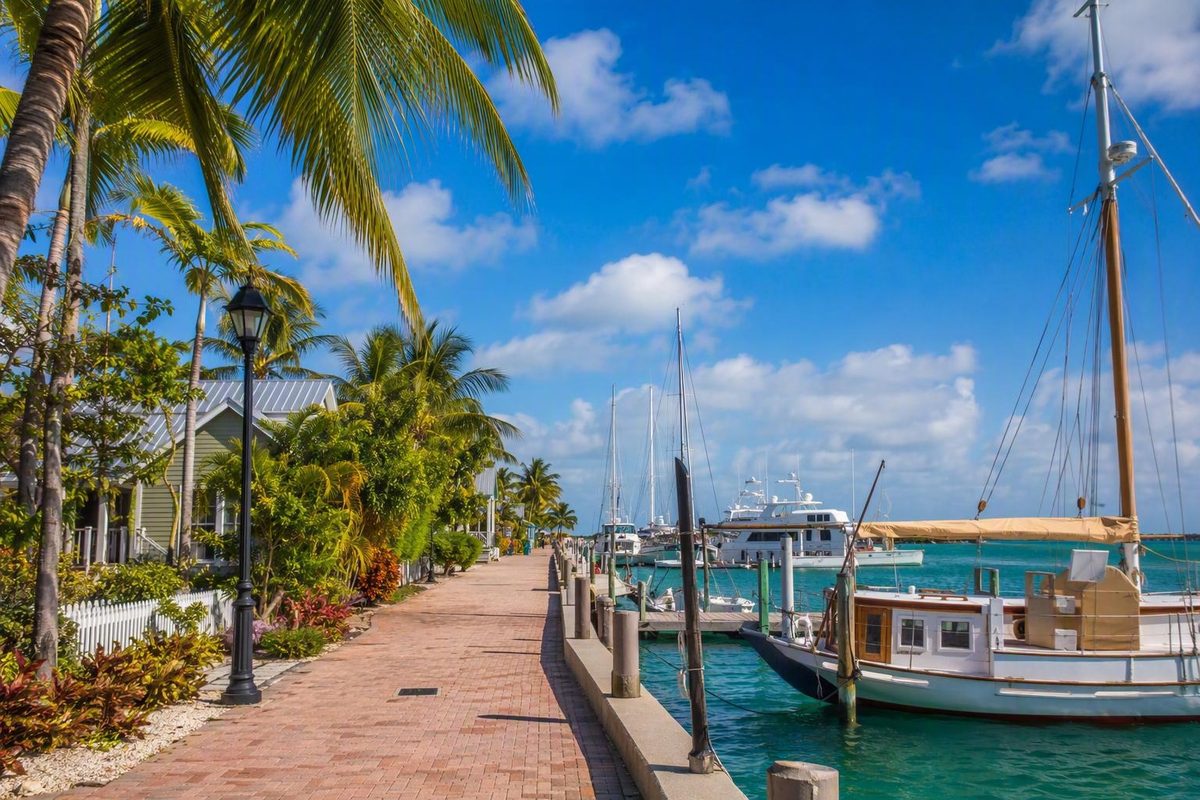
Choose a short marina walk, a two-to-three-hour harbor-and-food outing, or a half-day centered on a confirmed excursion.
Last reviewed: September 5, 2026. This guide separates general destination information from time-sensitive operating details. Confirm transportation, parking, business hours, events, and excursion instructions directly before visiting.
Key West Historic Seaport is best understood as a waterfront district, not an attraction you “complete.” Set around Key West Bight, it combines an active marina with the Harbor Walk, restaurants, bars, shops, museums, accommodations, entertainment, and departure points for boating activities.
That flexibility is its main advantage. You can spend an hour watching boats and photographing the harbor, allow two to three hours for a longer walk and a meal, or build a half-day around a confirmed excursion. The strongest plan fixes only the time-sensitive pieces—such as a departure dock, reservation, event, parking arrangement, or return deadline—and leaves the waterfront wandering flexible.
What Key West Historic Seaport Is—and What It Is Not
Key West Historic Seaport is a mixed-use waterfront district and marina associated with Key West Bight.
The district brings several kinds of experiences together:
- marina and harbor views;
- fishing boats, sailboats, and excursion vessels;
- restaurants, bars, and open-air seating;
- shops, boutiques, galleries, and local crafts;
- museums and other visitor attractions;
- accommodations and entertainment;
- charter, cruise, and watersports businesses.
The Harbor Walk is the simplest organizing feature for a first visit. Use it as the spine of your outing, then add a meal, shop, museum, event, or boat trip according to your interests. The available sources do not establish that every waterfront segment is continuously open, unrestricted, or free, so follow posted signs and verify any particular route segment that matters to your plans.
Tripadvisor describes the seaport as a 20-acre facility containing restaurants, bars, boutiques, museums, hotels, and excursion departure points. The area figure is useful for conveying scale, but it is a platform description rather than an independently verified boundary (Tripadvisor’s Key West Historic Seaport listing).
Keep the geography precise when planning. Old Town, Duval Street, Mallory Square, and the broader Key West waterfront are nearby and easy to combine with a seaport visit, but they should not automatically be described as parts of Key West Historic Seaport. Broad tourism directories sometimes mix businesses in the district with venues elsewhere in Key West.
The harbor’s history also calls for restraint. Old Town Trolley Tours associates Key West Bight with sea captains and industries involving turtle, shrimp, and sponge fisheries, but its account does not provide the archival evidence needed for a detailed historical timeline. The supportable conclusion is that an area long associated with maritime work has developed into a visitor-oriented waterfront while retaining active marina functions (Old Town Trolley Tours’ Historic Seaport guide).
That maritime identity remains visible. Fishing boats share the waterfront with sailboats and excursion vessels, while crews, passengers, and marina users continue to move through the area. This is not simply a preserved harbor setting; it is a contemporary tourism district organized around a harbor that still looks and functions like one.
What You Can Do Without Building the Day Around a Tour
You do not need to reserve a cruise, charter, or watersport to justify a visit. The lowest-commitment version of Key West Historic Seaport is a waterfront walk with time to watch harbor activity.
A self-guided visit might include:
- walking a manageable portion of the Harbor Walk;
- watching boats arrive, depart, or rest at their berths;
- photographing the marina and waterfront;
- browsing shops or galleries;
- pausing where waterfront access is clearly permitted;
- choosing a meal, snack, or drink;
- checking whether live music or an event fits your schedule.
Dining, shopping, museums, and drinks remain optional paid additions, so “no tour” does not necessarily mean “no spending.” You can also keep the outing simple by browsing without buying and skipping a seated meal.
What you see depends on current harbor activity. Tourism descriptions associate the waterfront with fishing boats, sailboats, catamarans, tall ships, and sunset-cruise vessels. Not every vessel type will be present or visible during every visit, but the changing mix is part of the harbor’s character.
The surrounding business mix can extend the walk. Depending on what is currently operating, possible additions include boutiques, local crafts, surf-oriented retail, museums, live music, bars, and waterfront seating. Check the current business roster rather than planning around an undated directory, and remember that a business appearing in a general waterfront guide may be nearby rather than inside the seaport.
For travelers with only an hour, a short stroll and boat watching are usually more realistic than trying to combine a complete waterfront route, formal attraction, shopping session, and sit-down meal. Choose a comfortable turnaround point and leave enough time to find your way back.
Before arriving, use the official website to preview the area. It offers a virtual tour, downloadable brochure, and category pages for dining, shopping, watersports, and events. These are useful for selecting possible anchors, although individual operating details still require confirmation through the relevant business or operator (official Key West Historic Seaport website).
Choose a One-Hour, Two-to-Three-Hour, or Half-Day Plan
Tripadvisor displays a suggested duration of two to three hours, which is a reasonable planning reference for a walk plus one or two additions—not a time limit or guarantee (Tripadvisor’s Key West Historic Seaport listing).
A one-hour harbor look
Choose this version if you are moving between other Old Town stops, working around a cruise or ferry schedule, or uncertain about the weather.
- Approach from the Old Town side most convenient to your route.
- Walk only a manageable portion of the waterfront.
- Pause to watch marina traffic and take photographs.
- Browse one or two shops if they are open.
- Stop where a permitted waterfront view is available.
- Turn back before the schedule becomes tight.
An hour is enough to experience the harbor’s atmosphere. It is not enough to promise a complete walk, leisurely meal, museum visit, and extended shopping session.
A two-to-three-hour visit
This is the most balanced format for many first-time visitors:
- take a longer waterfront walk;
- allow time for boat watching and photographs;
- browse a shop, gallery, or local craft retailer;
- add one museum or indoor stop if its hours work;
- finish with a meal or drink.
Avoid scheduling every minute. Restaurant waits, browsing, navigation, and simply finding an appealing place to pause can consume more time than expected.
A half-day built around an excursion
A confirmed excursion changes the structure of the visit. Plan backward from the operator’s required arrival time:
- Confirm the exact dock and check-in location.
- Add a buffer before check-in.
- Place the Harbor Walk before or after the trip.
- Allow enough time for a meal without risking the departure.
- Keep the post-trip plan flexible in case the return time changes.
Depending on its duration, a fishing charter, sail, snorkeling trip, or island excursion can turn the seaport from a short stop into a half-day or longer commitment.
A late-afternoon and evening plan
Late afternoon is a practical itinerary choice because one activity can flow naturally into the next:
- arrive while there is still daylight;
- walk beside the marina;
- watch the harbor change toward sunset;
- move to a waterfront dinner or casual drink;
- stay for live music if a current schedule confirms it.
Key West Express recommends late afternoon or sunset for the Harbor Walk, but that is an itinerary suggestion rather than an objectively superior time for everyone. Morning may suit a traveler with an afternoon excursion, while midday may fit someone working around a cruise schedule (Key West Express walking guide).
Heat, rain, queues, dining waits, excursion check-in, changing access conditions, and individual walking pace can alter any of these estimates. Travelers with a fixed cruise, ferry, or tour departure should plan backward from the mandatory check-in or return deadline. Completing every suggested stop is never worth missing transportation.
Boat Trips, Watersports, and Dry Tortugas Connections
The seaport is widely presented as a departure area for boating and water-based activities. Possibilities associated with the district and the broader Key West excursion market include:
- fishing charters;
- sightseeing cruises;
- private or shared boating;
- snorkeling trips;
- dolphin-watching outings;
- sunset sails;
- island trips;
- catamaran excursions;
- other watersports.
The important distinction is between an activity being marketed to Key West visitors and its actually departing from a Historic Seaport dock. Booking platforms often group tours by destination or neighborhood without clearly establishing the boarding point. Never infer the dock from a listing title, map category, or promotional photograph.
Before booking, confirm:
- the operator’s current name;
- the exact departure dock;
- whether check-in occurs at the boat, an office, or another location;
- the required arrival time;
- trip duration and expected return time;
- age, health, or mobility requirements;
- what is included and what passengers must bring;
- cancellation and refund terms;
- weather and rescheduling policies;
- whether the activity actually leaves from Key West Historic Seaport.
Do not use prices displayed by commercial booking platforms as durable budget guidance. Those amounts may apply only to selected dates, passenger categories, inclusions, or available inventory. Use the final operator page or booking screen for the terms that apply to your trip.
Wildlife sightings, calm water, favorable weather, uninterrupted operation, and a clear sunset cannot be guaranteed. Keep enough flexibility in the day that a delay, dock change, or cancellation does not unravel every other plan.
The Dry Tortugas ferry question
Dry Tortugas planning requires particular care. Old Town Trolley Tours associates the Yankee Freedom ferry to Fort Jefferson with the Key West Bight area, while official seaport information identifies the Key West Ferry Terminal and a visitor center at 100 Grinnell Street. Those references connect Dry Tortugas transportation with the bight and ferry-terminal area, but they do not prove that an older description, map pin, operator arrangement, or check-in process remains current (Old Town Trolley Tours’ Historic Seaport guide).
Before constructing the rest of the itinerary, verify directly:
- the current authorized operator;
- terminal and check-in address;
- boarding time;
- departure and return schedule;
- advance-booking requirements;
- availability for your date;
- baggage, food, and equipment rules;
- accessibility and mobility arrangements;
- cancellation and weather procedures.
A Dry Tortugas outing is not a small add-on to a casual Harbor Walk. Treat it as the day’s fixed commitment, then decide whether a short seaport stroll realistically fits before or after it.
Waterfront Dining, Live Music, Shopping, and Sunset
The district’s appeal comes from its mix rather than one universally superior venue. Visitors may encounter seafood, Cuban food, casual bars, cocktails, open-air dining, live music, boutiques, galleries, local crafts, and surf-oriented shopping.
Names repeatedly connected with the seaport or views over Key West Bight include:
- Conch Republic Seafood Company
- Half Shell Raw Bar
- Schooner Wharf Bar
- Waterfront Brewery
A Mallory Square dining directory describes Conch Republic Seafood Company as overlooking the Historic Seaport, Waterfront Brewery as overlooking the seaport and Key West Bight, and Schooner Wharf Bar as being in the seaport area. Directory inclusion does not establish current hours, quality, availability, or precise district boundaries (Mallory Square’s waterfront dining directory).
For every named venue, confirm its current operating status, exact address, hours, menu, reservation or walk-in policy, and entertainment schedule. This is especially important for live music, which may occur only on selected days or at particular times.
Broad waterfront lists can be misleading. A guide may place genuine seaport businesses beside restaurants at Mallory Square, beaches, resorts, or other parts of Key West. If proximity matters because you have a departure to catch, check the venue’s own address and map location rather than relying on its inclusion in a general directory.
Choose according to the experience you need:
- Limited time: Choose a quick casual stop near your route rather than a long seated meal.
- Marina views: Look for waterfront seating, then verify whether reservations are accepted.
- Evening atmosphere: Match dinner with a confirmed entertainment schedule.
- Low-spend visit: Browse, watch boats, and walk without making a restaurant the centerpiece.
- Weather break: Put a meal, shop, or museum between two outdoor sections.
- Excursion day: Eat only where the timing preserves a safe check-in buffer.
Sunset can be part of a late-afternoon visit, but it should not be treated as a guaranteed spectacle. Adventures & Sunsets describes pink and orange color reflecting in the water between docked boats, which captures the possible atmosphere but remains a subjective travel account. Cloud cover, vessel positions, sightlines, and access all vary (Adventures & Sunsets’ Key West sunset guide).
There is also no reliably established “best” seaport sunset viewpoint. Restaurant seating may provide a useful harbor perspective, but purchasing a meal is not necessary for every worthwhile waterfront visit. Conversely, do not assume that a particular bench, sightline, or unrestricted viewing area will always be available. Walk only where access is permitted and adapt to the conditions you find.
Location, Walking Access, Parking, and Transportation
The official general-information page places Key West Historic Seaport along the Harbor Walk waterfront near the ends of Front, Greene, Elizabeth, William, and Grinnell streets. The same page displays 201 Williams Street as the seaport address while using William Street elsewhere. It also describes the cruise terminal as only blocks away, lists a visitor center inside the Key West Ferry Terminal at 100 Grinnell Street, identifies walking, bicycles, rental vehicles, shuttles, trolley-style tours, and the Conch Tour Train as transportation options, and estimates the US-1 drive from the Miami or Fort Lauderdale area at about 3.5 hours. Because the street-name discrepancy and all operating details are source-dependent, compare the official seaport location and transportation page with a current navigation or transportation service before leaving.
Old Town Trolley Tours places Key West Bight approximately two blocks from Duval Street. That makes the district practical to combine with an Old Town walk, but it does not establish one exact distance from every point along Duval Street. Your route depends on where you begin and which part of the waterfront you want to reach.
Do not convert “two blocks” or “only blocks away” into universal walking times. Route choice, heat, crowds, luggage, mobility, and the specific terminal, dock, or section of Duval Street can materially change the effort involved.
Walking
Walking is the most direct choice when you are already in nearby Old Town. It also avoids moving a vehicle between relatively close stops. Build in extra time for heat, navigation, photographs, and any route adjustment required by posted access information.
Bicycles
Bicycles are identified among local transportation options. The available evidence does not establish where cycling is permitted, where riders must dismount, or where racks are available. Check current local rules and follow posted waterfront signs.
Shuttles, sightseeing vehicles, taxis, and rides
Compare them by pickup point, current schedule, accessibility, price, and how closely each serves your intended part of the seaport.
Do not rely on the Duval Loop information displayed on the seaport page. That page presents a schedule while also stating that the service was expected to end after 2025, so it does not establish current operation. Verify present municipal transportation services separately.
Parking
Orientation examples named in seaport information include the Key West Bight lot, Old Town Parking Garage, and other waterfront lots. These are possible starting points for a current parking search, not promises that space will be available.
Rates, time limits, capacity, payment methods, re-entry rules, vehicle restrictions, and accessible-space details are time-sensitive. Check current municipal or facility information before driving in, then read the posted terms at the lot before paying.
If you have a boat departure or strict return deadline, choose parking based on reliability and practical walking distance rather than an old published price. Allow time for a full lot, payment setup, and the walk to check-in.
Driving from Miami or Fort Lauderdale
The seaport page’s 3.5-hour US-1 estimate is only an approximate source estimate. Traffic, road conditions, weather, stops, and sightseeing pauses can make the journey substantially longer. A same-day drive should include a large buffer around any fixed boat departure; when the departure is critical, consider whether arriving in Key West earlier is the safer itinerary choice.
Hours, Events, and the Details to Verify Before You Go
District-wide access and individual business operations are not the same thing. The official page presents the seaport as open seven days a week, 365 days a year, while explicitly noting that restaurant, tour, and shop schedules vary (official Key West Historic Seaport general information).
That year-round wording does not mean every path, dock, museum, restaurant, bar, shop, or excursion operates every day or at every hour. The available evidence also does not establish continuous public access to every part of the Harbor Walk.
For date-specific programming, use the events calendar available through the official seaport website. For meals, entertainment, museum visits, and excursions, verify details with the individual business or operator. A district calendar can show planned programming, but it cannot replace a restaurant’s reservation policy or a vessel operator’s check-in instructions.
During early planning, the official brochure, virtual tour, and dining, shopping, watersports, and events pages can help you choose possible anchors. Update the plan close to arrival rather than treating an older directory, review, or booking result as proof of current conditions.
Check during the week of your visit
- current event schedule;
- restaurant, museum, and shop hours;
- live-music times;
- exact tour operator and departure dock;
- check-in location and required arrival time;
- excursion cancellation and weather policies;
- parking rates, limits, and payment rules;
- current transportation services and pickup points;
- reservations for any must-do meal or activity.
Check again on the day
- weather and marine conditions relevant to your plans;
- cancellation, delay, or dock-change messages;
- parking availability and posted restrictions;
- venue closures or schedule changes;
- your cruise, ferry, or tour return deadline;
- enough travel time to return without rushing.
Avoid relying on future-dated reviews, booking-platform inventory, old parking figures, or undated business counts as evidence of current conditions. Imperfect information is manageable for a flexible stroll. It is much more consequential for a prepaid excursion or fixed departure.
Weather, Walking Comfort, and Information the Sources Do Not Establish
A waterfront route can look compact on a map and still feel demanding in sun, humidity, rain, or crowds. Key West Express’s Old Town walking guide recommends comfortable shoes, sunscreen, sunglasses, water, and lightweight clothing as basic walking supplies (Key West Express walking guide).
Compact geography does not remove the effects of heat, rain, queues, or limited mobility. A route that feels easy to one visitor may be tiring for another, particularly when combined with luggage, shopping bags, a lengthy meal, or a boat trip.
A weather-adaptive structure works better than an entirely outdoor schedule:
- Keep the Harbor Walk portion flexible.
- Place a meal, museum, or shop between outdoor segments.
- Avoid putting an inflexible restaurant reservation too close to excursion check-in.
- Preserve one indoor or seated fallback.
- Leave time to respond to a boat delay or cancellation.
- Shorten the walk rather than rushing through it.
The available sources do not establish complete information about:
- wheelchair or stroller accessibility;
- ramp locations or surface transitions;
- public restroom locations;
- shade coverage;
- accessible parking availability;
- bicycle restrictions or parking;
- pet policies;
- family-specific facilities;
- public versus restricted dock boundaries.
Visitors with accessibility, family, or mobility requirements should contact the seaport, relevant venues, parking facilities, and tour operators directly. Ask specific questions about the intended route, entry, seating, boarding method, restroom access, and distance from parking rather than relying on a general accessibility label.
Remember that this remains an active marina environment. Follow posted signs, respect restricted working areas, and do not assume every dock or gangway forms part of the pedestrian route. Quiet periods, cooler weather, easy parking, vivid sunsets, live music, wildlife sightings, and favorable boating conditions cannot be guaranteed.
A useful decision rule is simple: keep the visit short and self-guided when weather or schedules are uncertain; reserve more time only after confirming a meal, event, or excursion.
Frequently Asked Questions
Is the Key West Historic Seaport Harbor Walk free?
You can plan a self-guided waterfront walk without buying an excursion ticket. However, the available information does not establish that every Harbor Walk segment is always free, continuously open, or unrestricted. Museums, tours, dining, shopping, and private venues may charge separately, while access to particular marina areas may be limited. Follow posted signs and verify any specific segment or attraction that matters to your plan.
How long should I spend at Key West Historic Seaport?
Allow roughly an hour for a short waterfront walk and boat watching. A longer stroll with browsing, a museum, or a meal can fill two to three hours, while an excursion may turn the visit into a half-day or longer commitment. These are planning ranges rather than official requirements, and weather, pace, queues, dining waits, and check-in instructions can change them.
How far is Key West Historic Seaport from Duval Street?
A tourism guide describes Key West Bight as approximately two blocks from Duval Street. The practical distance varies because Duval Street is long and the seaport has several waterfront approaches. Use your exact starting point and intended destination rather than relying on one generic walking time.
Where can I park near Key West Historic Seaport?
Possible orientation points include the Key West Bight lot, Old Town Parking Garage, and other waterfront lots. Check current municipal or facility information for rates, limits, payment rules, restrictions, and accessible spaces, then verify the posted terms on arrival. No facility should be assumed to have space available.
Can I take a Dry Tortugas ferry from the Historic Seaport area?
Dry Tortugas transportation is associated in tourism information with the Key West Bight and ferry-terminal area, and official seaport information lists the Key West Ferry Terminal at 100 Grinnell Street. Do not rely on that geographic association alone. Confirm the current operator, terminal, check-in location, schedule, availability, boarding requirements, and weather policy directly before arranging the rest of the day.
Key West Historic Seaport works best as a flexible Old Town waterfront experience. Choose a short marina walk, a two-to-three-hour harbor-and-food outing, or a half-day centered on a confirmed excursion. Settle the fixed details first—the departure dock, event, meal, parking plan, and return deadline—then leave the Harbor Walk and sunset portion adaptable. Before leaving, revisit the official brochure, virtual tour, events information, current parking guidance, and individual operator pages for final confirmation of hours, access, schedules, and reservations.