
Best Snorkeling in Miami by Access, Experience, and Conditions
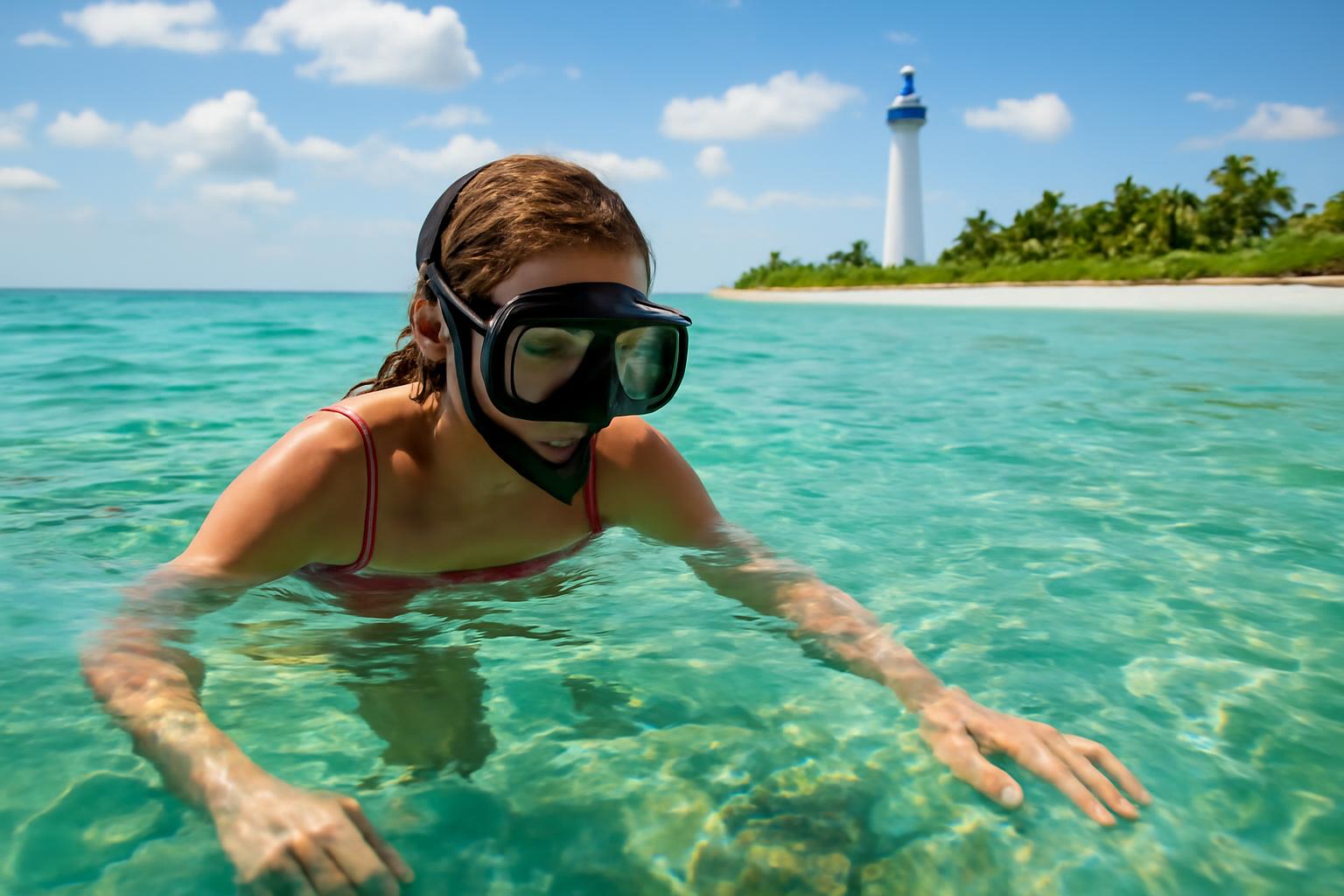
Key Biscayne offers easy, wade-in access. Biscayne National Park has coral reefs and wrecks by boat. Reef quality changes with wind and sea state.
Overview
The best snorkeling in Miami depends on what you want underwater. For easy, wade-in shore entry, head to Key Biscayne’s Bill Baggs Cape Florida State Park or Crandon Park. For coral reefs and shipwrecks, book a guided boat trip into Biscayne National Park. For a walkable Miami Beach option, the South Pointe jetty area is the local pick, and offshore sites like Rainbow Reef, Emerald Reef, and the Neptune Memorial Reef reward a boat trip.
No single spot wins on every count. The convenient shore entries are not the same experience as the offshore reefs, and the most interesting underwater sites are the ones you cannot swim to on your own. This guide compares the genuinely local options, explains which ones fit beginners, and walks you through the condition checks that matter more than any seasonal rule.
One scope note before you start comparing: a lot of “Miami snorkeling” search results quietly include destinations that are not Miami trips at all. GetYourGuide lists a Key West day trip with snorkeling that runs 15 to 16 hours, and DIVEIN notes that Ginnie Springs sits near Gainesville, about a four and a half hour drive from Miami, while the Dry Tortugas are 70 miles west of Key West. Those can be great outings, but they are full-day or multi-day commitments, not a morning in the water before lunch. Everything ranked below is a Miami-area choice you can realistically do as part of a normal day here.
The best snorkeling spots in Miami compared
The comparison below is organized around what the evidence actually supports: how you get in the water, what you will see, and who each option fits. It deliberately avoids scored rankings, because reef quality on any given day depends heavily on wind and sea state, and none of the sources support a universal winner. Wildlife expectations belong in this comparison too: the Greater Miami and Beaches tourism site notes crabs, barracudas, rays, and angelfish at Bill Baggs Cape Florida State Park and Crandon Park, and sharks and colorful tropical fish at Rainbow Reef and Emerald Reef, while Visit Florida describes parrotfish, striped sergeant majors, and schools of grunts in Biscayne National Park, while GetYourGuide cautions that manatees and dolphins are wild animals roaming a large area and are seen less often in summer. Treat reef fish as likely and the big roaming animals as a bonus, not a promise.
| Spot | Access | Underwater focus | Best fit | Key caveat |
|---|---|---|---|---|
| Biscayne National Park | Guided boat tours from Homestead or Coconut Grove | Shallow coral reefs, Maritime Heritage Trail shipwrecks | Reef and wreck seekers with a half day or more | Advance reservations advised (National Park Service) |
| Key Biscayne (Bill Baggs, Crandon Park) | Wade in from the beach | Crabs, barracudas, rays, angelfish near shore | Easiest independent shore snorkel | Current fees, hours, and conditions need checking |
| South Pointe Park jetty | Shore access at the tip of South Beach | Marine life along the jetty structure | A convenient, car-free Miami Beach session | Rip current risk near jetties; distinct from the offshore Jose Cuervo Reef |
| Rainbow Reef and Emerald Reef | Boat or tour operator | Tropical reef fish and sharks feeding on the reef | Natural offshore reef life | Not swimmable from shore |
| Neptune Memorial Reef | Boat, about 3.5 miles offshore (Ocean Force Adventures) | Coral-covered sculptures at around 40 feet | A distinctive artificial-reef experience | Depth keeps the detail well below the surface |
| Jose Cuervo Reef | Tour operator only | A bar sunk by the tequila brand in 2000 | Novelty artificial reef | Too far to swim; exact position not verified here |
Use the table to shortlist by access first, then read the profiles below for the tradeoffs that do not fit in a cell.
Biscayne National Park for reefs and maritime history
Choose Biscayne National Park if the underwater experience itself matters more to you than convenience. Visit Florida describes the park’s shallow-water reefs as its main draw, with giant brain coral, swaying sea fans, and areas where endangered elkhorn coral thrives, plus parrotfish, striped sergeant majors, and schools of grunts on a calm, sunny day.
The park also has something no beach in Miami offers: the Maritime Heritage Trail, an underwater archaeological trail that, per Visit Florida, showcases six of the more than 50 shipwrecks in the park. The National Park Service guided tours page confirms that the Biscayne National Park Institute runs eco-adventures including snorkeling at a shipwreck on the trail and over coral reefs, and the Greater Miami and Beaches site notes those trips depart from the Dante Fascell Visitor Center in Homestead and from Coconut Grove.
Two practical notes. First, not every itinerary visits every feature, so confirm whether your specific trip covers reef, wreck, or both. Second, Homestead is a long haul from Miami Beach without a car, so if you are traveling car-free, the Coconut Grove departure is worth asking about first.
Key Biscayne for convenient beach entry
Choose Key Biscayne if you want to snorkel on your own schedule with the lowest barrier to entry. The Greater Miami and Beaches site puts it plainly: snorkeling is never easier than along the beaches of Key Biscayne, where you can wade into clear, knee-deep water and start swimming. That makes it the natural pick for a first session, a mixed-ability group, or anyone who wants to test gear before committing to a boat trip.
The same source names Bill Baggs Cape Florida State Park and Crandon Park as the two spots to head for, with crabs, barracudas, rays, angelfish, and other marine life around the shoreline. You will not get the coral density of an offshore reef here, and what you see depends on the day, so set expectations accordingly.
The supplied evidence does not cover current entrance fees, parking charges, or hours for either park, so check the official Florida State Parks and Miami-Dade County pages before you go. Key Biscayne sits at the end of the Rickenbacker Causeway, so budget for a rideshare or bus connection if you are not driving.
South Pointe Park and the Jose Cuervo Reef distinction
Choose the South Pointe area if you are staying in South Beach and want to snorkel without arranging transport. Dive Miami Beach states that one of the best snorkeling spots in Miami Beach is right alongside the jetty at the tip of South Pointe Park, which puts a workable session within walking distance of most of South Beach. For car-free visitors, that convenience is hard to beat.
Two cautions keep this recommendation honest. First, the jetty and the Jose Cuervo Reef are not the same thing, and the sources describe them differently. The Greater Miami and Beaches site describes the Jose Cuervo Reef as an actual bar sunk by the tequila brand in 2000, and states directly that it is too far to swim, advising you to check with local snorkel tour operators about who runs trips out there. The supplied evidence does not verify coordinates, entry points, or safe swimming boundaries for either feature, so do not treat the jetty session and the sunken bar as one swim.
Second, jetties carry a specific hazard. The National Weather Service Miami rip current outlook notes that even when overall rip current risk is rated low, life-threatening rip currents often occur near inlets, groins, jetties, reefs, and piers. Snorkeling beside a jetty means snorkeling beside exactly that kind of structure, so check the day’s rip current risk before you get in and stay alert to where the current is taking you.
Rainbow Reef, Emerald Reef, and Neptune Memorial Reef
Choose one of these offshore sites if reef life or a distinctive artificial structure is the whole point of your trip. The Greater Miami and Beaches site describes Rainbow Reef and Emerald Reef as teeming with sharks and colorful tropical fish feeding off reefs that have become home to diverse sea creatures. These are natural reef experiences of a kind the shore entries cannot match, and they require a boat, which usually means a tour operator or a private charter.
The Neptune Memorial Reef is a different proposition. Ocean Force Adventures describes it as a unique artificial reef about 3.5 miles offshore, resting at around 40 feet deep, with coral-covered sculptures, tropical fish, sea sponges, and the occasional lobster hiding in reef crevices. That 40-foot depth shapes the experience: from the surface you can take in the layout and watch fish move among the sculptures, but the fine detail sits well below you. Confident snorkelers who can duck-dive will get more out of it than someone floating flat at the surface, so weigh your comfort in deeper water before choosing this site over a shallower reef.
None of these three is a swim-from-shore option. If independent access matters more than the underwater payoff, Key Biscayne or South Pointe is the better call.
Shore snorkeling or a boat trip?
The honest answer is that shore snorkeling buys you flexibility and boat trips buy you the better underwater sites, and you should decide which one your group actually needs. Shore entry at Key Biscayne means you can go when you want, stay as long as you like, spend nothing beyond park access and gear, and bail out easily if the water turns choppy. The Greater Miami and Beaches description of wading into knee-deep water at Bill Baggs or Crandon Park captures why this is the default for families and first-timers.
The limitation is equally clear: the most compelling underwater features in the Miami area are offshore. Based on the supplied sources, here is how the access split falls:
- Swim from shore: Key Biscayne beaches (Bill Baggs, Crandon Park) and the South Pointe jetty area.
- Boat or tour required: Rainbow Reef, Emerald Reef, the Neptune Memorial Reef (about 3.5 miles offshore per Ocean Force Adventures), the Jose Cuervo Reef (explicitly “too far to swim” per Greater Miami and Beaches), and Biscayne National Park reefs and wrecks, which are commonly reached on guided trips from Homestead or Coconut Grove.
A boat trip costs more and locks you into a schedule, but it also solves problems you would otherwise have to solve yourself: navigation to the site, gear, and someone watching the group. Ocean Force Adventures, as one attributed example, prices its four-hour trip at $110 per person, which is a useful benchmark for what a structured offshore outing runs, though you should confirm current pricing directly.
A practical rule: if this is your first snorkel, or you are testing whether the kids will tolerate a mask, start from shore at Key Biscayne. If you have snorkeled before and the reef is the reason you are going, book the boat. And if you are car-free in South Beach, the South Pointe jetty gives you a shore option today while you decide whether an offshore trip is worth arranging.
Best options for beginners, families, and weak swimmers
Start with the baseline: snorkeling in Miami assumes you can swim. The Greater Miami and Beaches site is direct about this, stating that you will need a basic knowledge of swimming to enjoy snorkeling, and that while fins help propel you, the ability to swim is crucial. That rule applies without qualification to independent snorkeling, and doubly so to any offshore site where you cannot simply stand up.
There is one narrower, defensible exception, and it is worth understanding precisely because operator marketing can blur it. Ocean Force Adventures offers a guided shallow-water beginner snorkeling trip by kayak or paddleboard through calm mangrove channels and island waters, described as great for all skill levels, with flotation provided and water shallow enough that “you can always stand.” GetYourGuide similarly describes Sandspur Island as the ultimate shallow-water snorkeling spot in Biscayne Bay, and lists a 1.5-hour beginner snorkeling trip departing from South Beach. In a setting like that, a weak swimmer or a nervous first-timer has a realistic path into the water: the depth is standable, flotation is supplied, and a guide is present.
The distinction to hold onto is this. A guided, shallow, standable-water outing with flotation can work for someone who cannot swim confidently. Independent shore snorkeling, and any offshore reef or wreck trip, cannot. Nothing in the evidence supports putting a non-swimmer at Rainbow Reef, Emerald Reef, the Neptune Memorial Reef, or an open-water park site, and the 40-foot depth Ocean Force cites for the Neptune Memorial Reef makes the point on its own.
For families and mixed-ability groups, the same shallow guided formats are the natural fit, but the supplied evidence does not document minimum ages, child gear sizes, or participation rules for any operator. Ask the provider directly before booking: whether children of your kids’ ages can join, what flotation is provided, and whether a non-swimming adult can participate or observe from the kayak or paddleboard. If the answers are vague, treat that as a reason to choose a different operator, not a reason to hope for the best.
For confident swimmers who are simply new to snorkeling, Key Biscayne’s knee-deep entry is the lowest-stress way to learn the mask and snorkel before graduating to a boat trip.
When to snorkel and how to make the day-of call
You can snorkel Miami year-round, but the day’s conditions matter more than the month on the calendar. Check the current water temperature before you go, and choose thermal protection based on your own comfort and your operator’s guidance. Visit Florida’s description of Biscayne National Park adds the other half of the equation: the good days are the sunny ones without much wind, when the water is calm and clear.
The supplied evidence does not establish a single best season for Miami snorkeling, so be skeptical of any page that names one with confidence. What the evidence does support is a time-of-day preference: DIVEIN recommends going in the morning for your best chance at calm water and better visibility. Morning also gives you a built-in backup plan, which matters in a city where afternoon weather can turn. If the morning session gets blown out, you still have the day to switch to a plan B like a shore walk at South Pointe or a rescheduled tour.
Before you leave, run a short day-of check rather than trusting the forecast you saw two days ago:
- Rip current risk. Check the National Weather Service Miami rip current outlook. Remember its own caveat: even at low risk, life-threatening rip currents often occur near inlets, groins, jetties, reefs, and piers.
- Wind and offshore storms. Wind chops the surface and offshore storm systems can degrade water clarity, so check current wind and marine conditions before heading out. If it is blowing hard, a nominally great site will disappoint.
- Water quality. Look for any current beach water-quality advisories from Florida’s health authorities for the specific beach you plan to use. The supplied evidence does not include a specific advisory page, so search for the current official source rather than relying on an old bookmark.
- Operator status. If you booked a tour, check for weather-related changes or cancellations before you head to the departure point, especially if getting there involves a rideshare you would rather not waste.
Treat this as a go, switch, or cancel decision. Calm wind and low rip current risk: go as planned. Marginal wind: switch from an exposed site to a sheltered shallow option, or from a jetty session to a protected beach. High rip current risk or an offshore storm: reschedule. The water will still be warm next week.
When a guided snorkeling tour makes sense
Book a tour when the site you want requires a boat, when your group includes true beginners, or when you would rather have logistics handled than manage them yourself. Every offshore option in this guide falls into the first category: the Greater Miami and Beaches site says outright that the Jose Cuervo Reef is too far to swim and that you should check with local tour operators, and the same boat-access reality applies to Rainbow Reef, Emerald Reef, and the Neptune Memorial Reef.
The documented formats split into two broad types, and they suit different groups:
- Offshore boat trips. Ocean Force Adventures runs a classic reef excursion aboard a Newton 46-foot dive boat, listed as a 4-hour trip at $110 per person, with parking noted at Bayside Marketplace for the offshore tour. This format suits confident swimmers who want the reef or the sculpture site.
- Shallow guided beginner trips. Ocean Force also offers a guided shallow-water snorkeling trip by kayak or paddleboard through calm mangrove channels and island waters, with all gear included: kayak or paddleboard, snorkel set, and safety equipment. GetYourGuide lists a comparable 1.5-hour beginner snorkeling outing from South Beach. This format suits families, first-timers, and weak swimmers who need standable water.
- National park trips. The National Park Service confirms the Biscayne National Park Institute runs snorkeling trips to a Maritime Heritage Trail shipwreck and coral reefs, bookable online, by calling 786-335-3644, or at the park store, and also lists other operators authorized to work in the park, including snorkeling charters such as Ace Diving and Diver’s Paradise.
Treat the durations and the $110 figure as attributed examples from specific operators, not a market survey. The supplied evidence does not support a Miami-wide price range for snorkeling tours, and prices change, so confirm current rates when you book. When comparing operators, ask the same four questions of each: what exactly is included in the gear, how long is actual in-water time versus boat time, what happens if weather cancels the trip, and where precisely does the boat depart from. That last one matters more than it sounds if you are car-free; a South Beach or Bayside departure is a short walk or ride for most visitors, while a Homestead departure is a real journey.
Verify access, reservations, and current status
The comparison above tells you where to go; this section keeps you from arriving at a closed gate or a fully booked boat. The one verification point the evidence supports directly: the National Park Service advises advance reservations for Biscayne National Park Institute trips, which you can make online, by phone at 786-335-3644, or at the park store. Do not treat a park trip as a walk-up option.
For everything else, the supplied evidence does not include a current directory of hours, entrance fees, parking charges, or closures, and those details go stale fast, so verify them at the official source rather than trusting a travel article’s snapshot. Before you commit to a date, run through this list:
- Park access: current hours, entrance fees, and any closures for Bill Baggs Cape Florida State Park (Florida State Parks) and Crandon Park (Miami-Dade County).
- Tour details: departure point, current price, and participant requirements for any booked trip. As one documented example, Ocean Force Adventures notes parking at Bayside Marketplace for its offshore tour, a useful detail if you are driving and a non-issue if you are not.
- Departure logistics: Biscayne National Park trips leave from the Dante Fascell Visitor Center in Homestead and from Coconut Grove per Greater Miami and Beaches, and those are very different journeys from Miami Beach, so confirm which one your booking uses.
- Weather changes: recheck your booking the morning of the trip for operator updates.
Ten minutes of verification the day before is cheaper than a wasted rideshare to Homestead or a Saturday spent circling a full state park lot.
Snorkeling safety and reef protection
The safety picture for Miami snorkeling comes down to three things: currents, staying oriented, and protecting the reef that you came to see. None of it is complicated, but all of it matters more here than a casual beach day suggests.
Rip currents are the headline hazard, and the risk is not limited to rough days. The National Weather Service Miami rip current legend states that even when overall risk is low, life-threatening rip currents often occur near inlets, groins, jetties, reefs, and piers. Notice that the list describes exactly where snorkelers go: the South Pointe jetty, reef structures, and channel mouths. Check the current risk level before entering, and give structures respectful distance when the water is moving.
In the water, a few habits cover most problems. DIVEIN’s rule is the simplest: don’t snorkel alone. The Greater Miami and Beaches site adds two techniques worth practicing before you need them. If a wave dumps salt water into your snorkel, blow out hard to clear it, then continue breathing normally. And pop up out of the water every so often to check where you are; drifting further than you realize is the most common way a relaxed snorkel turns stressful. Their final piece of advice is the one people skip: relax. Tense swimmers burn energy and breathe badly.
Reef protection is partly etiquette and partly self-preservation:
- Don’t touch the coral. Visit Florida notes that many of Biscayne’s fragile coral colonies sit in water so shallow that snorkelers have to be careful not to accidentally brush them while swimming. Keep your fins up and your buoyancy under control in shallow reef sections.
- Use reef-safe sun protection. The National Park Service asks visitors to Biscayne National Park to use reef-safe sun protection, which protects both your skin and the park’s resources.
- Look, don’t touch, when you see a lionfish. Visit Florida describes the invasive lionfish as lacy and charming in appearance, with venomous spines. Admire from distance.
Put together, the safe version of a Miami snorkel day looks like this: check the NWS rip current outlook in the morning, go with a buddy, pick the site that matches the weakest swimmer in your group, keep your hands off the reef, and surface regularly to confirm your position. Do that, and any of the six spots in this guide can give you a genuinely good morning in the water, whether you waded in at Crandon Park or rode a boat out to the sculptures.