
Miami’s Dengue Alert Does Not Mean Canceling Your Trip
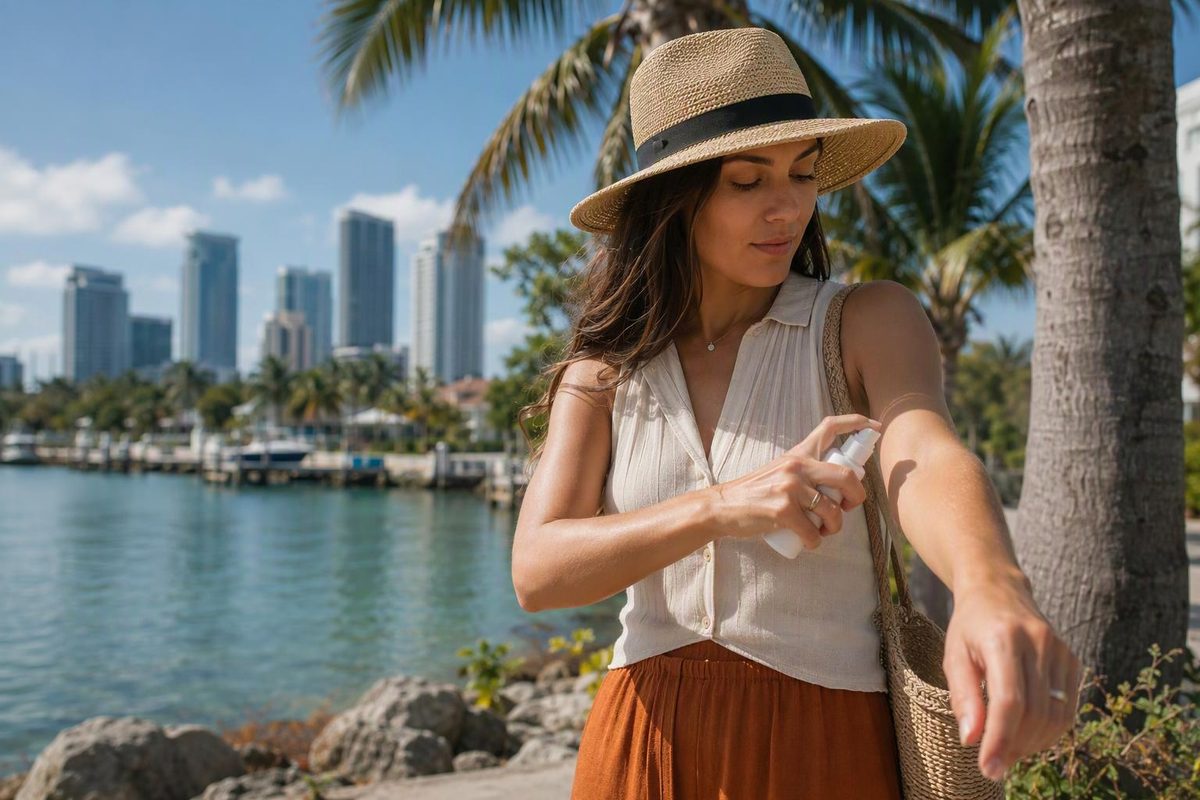
What Miami-Dade’s 2026 dengue alert means, which activities increase exposure, what to pack and when symptoms require medical care.
Miami-Dade’s mosquito-borne illness alert calls for consistent bite prevention, not canceling a trip or avoiding a particular tourist district.
The county issued the alert on August 3 after confirming locally acquired dengue—an infection acquired through a mosquito bite in Florida rather than during travel. Health officials said mosquito surveillance, prevention and control work was underway. The notice did not announce closures or activity restrictions (Florida Department of Health in Miami-Dade).
The latest available state report, covering September 13–19, recorded seven locally acquired dengue cases in Miami-Dade in 2026, unchanged from the previous week. It also listed 126 travel-associated cases among county residents. Those travel-associated cases were acquired outside Florida, so they do not represent 126 local exposure events. Miami-Dade remained on the report’s alert list, though that status line was dated August 29 (Florida Arbovirus Surveillance, Week 37).
How to adjust a Miami day
The county alert does not provide a neighborhood-by-neighborhood risk estimate, and case totals cannot calculate an individual visitor’s odds. A more useful approach is to consider how long an activity leaves you exposed to mosquitoes and whether your lodging keeps them out.
| Part of the trip | Relative opportunity for bites | What to do |
|---|---|---|
| Air-conditioned museums, restaurants and screened hotel rooms | Lower | Check that balcony doors and window screens close properly. |
| Short walks between transit, shops and indoor stops | Brief, but not zero | Apply repellent before leaving rather than waiting until mosquitoes become noticeable. |
| Outdoor dining, parks, gardens, walking tours and long waits outside | Greater | Use repellent and loose, covering clothing where the heat permits. |
| Patios, yards or balconies with water-holding containers | Avoidable added exposure | Empty water from plant saucers, buckets, toys and other containers. Notify the host about anything you cannot drain. |
| Unscreened rooms or sleeping outdoors | Sustained | Choose screened or air-conditioned lodging; use a bed net if neither is available. |
Do not treat midday as mosquito-free. The Aedes mosquitoes that spread dengue can bite during the day and night, live near people indoors and outdoors, and lay eggs in small water-holding containers (CDC). A breezy oceanfront may feel less buggy than a sheltered patio, but it is not a guaranteed safe zone.
A South Beach morning, Wynwood afternoon or Brickell dinner can therefore stay on the itinerary. The useful adjustment is protection throughout the day. If rain moves plans indoors, a flexible Miami rainy-day plan can reduce long outdoor waits without losing the sightseeing day.
What to pack and check
- EPA-registered insect repellent. Look for DEET, picaridin, IR3535, oil of lemon eucalyptus, PMD or 2-undecanone as the active ingredient, and follow the product label. Florida health officials say EPA-registered repellents are safe and effective when used as directed, including for pregnant and breastfeeding people (Florida Department of Health).
- Loose long sleeves and pants. These are especially useful for outdoor meals, park time and patios; choose lightweight clothing suitable for Miami heat.
- A lodging check. Prefer air conditioning and intact screens. At a vacation rental, inspect the balcony or patio after rain and drain accessible standing water.
- Repellent in the day bag. Reapply only as directed on the label. The EPA has a registered-repellent search tool that filters products by active ingredient and protection time.
Residents or rental hosts with a substantial mosquito problem can request a Miami-Dade inspection through 311. Inspectors check residential and commercial properties for water-holding containers and mosquito breeding. Inspections are usually conducted within five business days but can take longer during peak season (Miami-Dade Mosquito Control).
If symptoms appear during or after the trip
Symptoms can appear within 14 days of an infected bite. Watch for fever with headache, pain behind the eyes, muscle or joint pain, nausea, vomiting or rash. About one in four infected people becomes sick; symptoms typically last two to seven days, and most people recover after about a week (CDC symptom guidance).
Contact a healthcare provider if fever or possible dengue symptoms develop, and mention the Miami stay. The CDC advises acetaminophen for fever or pain and says not to take aspirin or ibuprofen. Drink plenty of fluids and prevent further mosquito bites: during the first week of illness, a mosquito can acquire the virus from an infected person and then spread it to someone else (CDC treatment guidance).
Seek immediate care at a clinic or emergency room for severe belly pain, vomiting at least three times in 24 hours, bleeding from the nose or gums, blood in vomit or stool, or extreme tiredness or restlessness. These warning signs often begin in the 24–48 hours after a fever goes away.